Music and Mindfulness: The Impact of Musical Composition on Reducing Stress and Anxiety

Understanding the Impact of Music on Mental Health
In a world where demands from work and personal life often collide, numerous individuals find themselves grappling with heightened levels of stress and anxiety. Amid this turmoil, music offers an accessible avenue for enhancing emotional and mental well-being. Its omnipresence in our lives—from the soothing sounds playing in coffee shops to the energizing beats at the gym—emphasizes its role as a healing mechanism.
Research has revealed compelling evidence supporting the notion that both listening to and creating music can significantly influence physiological responses. For instance, studies show that engaging with music leads to reduced physical stress responses. A regular listener might notice a drop in heart rate and a decrease in cortisol levels, the hormone primarily responsible for stress. This physiological change illustrates why many individuals turn to music during challenging times or simply to unwind after a long day.
Moreover, music has a unique way of enhancing mood. Different genres can evoke diverse emotions. For example, classical music, with its calming rhythms, can lead to feelings of tranquility, while upbeat pop tracks can inspire joy and motivate listeners to dance. This emotional uplift underscores the therapeutic potential of music, as the right playlist can often mean the difference between a dreary day and an exhilarating one.
On a deeper level, musical composition plays a transformative role in the therapeutic process. Engaging with music creation offers an expressive outlet, allowing individuals to articulate emotions that words often fail to capture. Whether it’s a teenager pouring their heart into writing lyrics or an adult using music to reflect on life’s journey, the creative process fosters a connection to the self, symptoms of which include heightened self-awareness and inner peace.
Additionally, composing music can serve as a powerful distraction from daily stressors. During the act of creation, mentees can experience a profound sense of escape, temporarily leaving behind their worries. Finally, the immersion in artistic expression can catalyze a deeper connection to self, as individuals explore their thoughts and feelings creatively. Studies from institutions such as the University of Utah have illustrated how music therapy enhances emotional regulation, leading to improved coping strategies in various challenging situations.
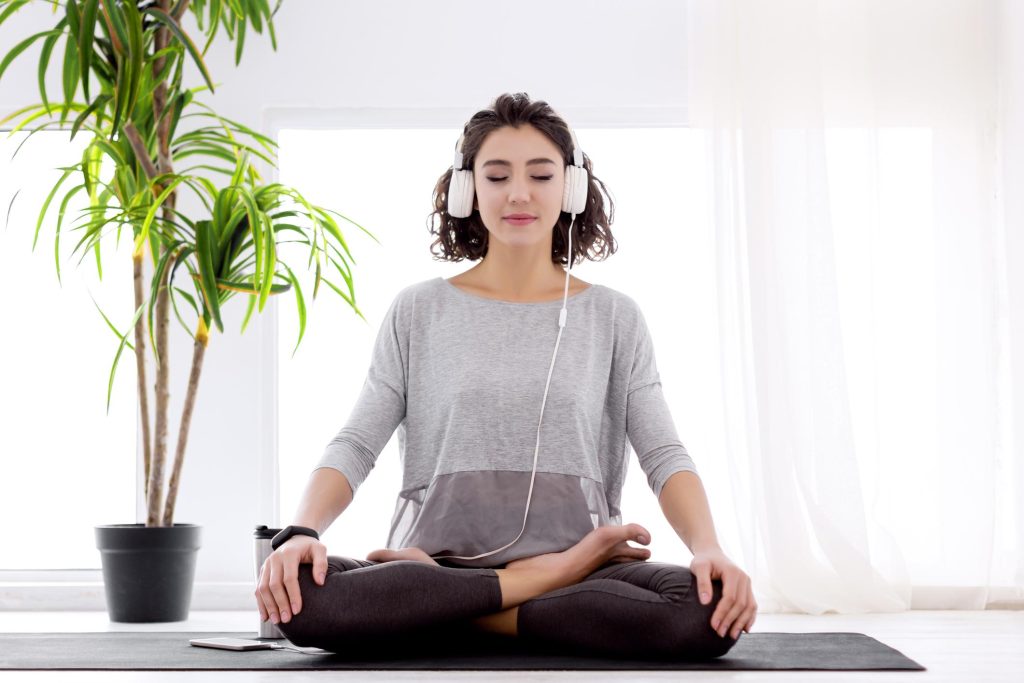
This exploration of music’s relationship with mindfulness not only showcases its ability to mitigate stress and anxiety but also highlights how it nurtures a more serene mental environment. By examining different musical styles, such as classical, jazz, and even modern hip-hop, one can uncover the varieties of sound that contribute to healing experiences. Personal stories of individuals who have leveraged music for therapeutic purposes further illuminate this connection, shedding light on the transformative journey that sound can offer.
Whether one is a casual listener or an aspiring composer, delving into the world of music might just open doors to newfound peace and emotional clarity. As we continue to explore this compelling topic, the interplay between sound and serenity reveals multifaceted benefits that resonate far beyond mere entertainment.
DISCOVER MORE: Click here to uncover the psychological benefits
The Therapeutic Benefits of Listening to Music
As we delve deeper into the realm of music and mindfulness, it becomes essential to understand the therapeutic benefits of listening to music. In recent years, numerous studies have indicated that listening not only elevates mood but serves as a profound intervention for managing stress and anxiety. According to the American Psychological Association, individuals who incorporate music into their daily lives report increased feelings of relaxation and improved mood states.
One of the critical aspects of music’s calming effects lies in its structure and rhythm. Genres such as classical, ambient, and jazz are particularly renowned for their soothing qualities. The intricate arrangement of notes and harmonies in these styles can slow the heart rate and enhance the production of serotonin, a neurotransmitter associated with feelings of well-being. Here are some genres that have been highlighted for their stress-reducing capabilities:
- Classical Music: Often revered for its rich textures, classical music has been shown to decrease anxiety levels significantly, making it a staple for those seeking relaxation.
- Ambient Music: This genre provides an atmospheric quality that creates a sense of space and tranquility, ideal for meditation or unwinding after a busy day.
- Jazz: The improvisational characteristics of jazz can foster both relaxation and stimulation, helping listeners engage with their thoughts in a more profound and introspective manner.
A particularly fascinating study conducted by the University of California, Los Angeles has shown that participants who actively listened to music while engaging in mindfulness practices exhibited a marked decrease in anxiety levels compared to those who practiced mindfulness in silence. This suggests that music can indeed serve as a catalyst for deeper mindfulness, allowing individuals to be fully present and connected with their emotions.
Moreover, certain musical compositions are crafted specifically with therapeutic intent, often referred to as “music for relaxation.” These compositions typically employ slow tempos, soothing melodies, and gentle harmonies, all designed to facilitate a calm state of mind. For instance, songs crafted by artists specifically for relaxation or meditation can provide a sanctuary for individuals looking to escape the overwhelming challenges of daily life.
Engaging with music also allows individuals to explore a new form of self-expression and emotional processing. For many, selecting a playlist becomes a reflective practice, where the choice of songs trends toward those that resonate with their current emotional state. This process can lead to significant personal insights and ultimately foster resilience. Simply put, the act of creating or curating music can be a journey into understanding one’s own mental landscape.
As we explore the relationship between music and mindfulness, it becomes clear that listening serves as more than mere entertainment; it transforms into a powerful tool for managing stress and enhancing overall mental health. This connection deepens when one begins to consider the impact of not just listening, but creating music as a form of therapy, opening new avenues for exploration in the world of emotional healing.
Exploring the Therapeutic Power of Musical Composition
The connection between music and mindfulness has garnered considerable attention in recent years, particularly regarding its effectiveness in combating stress and anxiety. Research has revealed that engaging in musical composition can serve as a powerful therapeutic tool. By allowing individuals to express their emotions through sound, music creation fosters a sense of freedom and exploration. This process not only alleviates tension but also promotes self-discovery and personal growth.Additionally, engaging in musical practices helps redirect focus, making it an ideal method for combatting anxiety. As individuals compose melodies or harmonize with instruments, their minds are drawn into a meditative state, reducing worry and fostering relaxation. The auditory experience can further enhance mindfulness. Listening to calming music has been shown to activate brain regions associated with emotional regulation, encouraging states of tranquility.Numerous studies reveal that participants who integrate musical composition into their wellness routines report notable improvements in their mental health. They experience enhanced mood, increased resilience to stress, and a profound sense of connection to themselves and their environment. Engaging with music in this manner can act as a catalyst for mindfulness, making it a focal point for research and application in therapeutic settings.
Introducing a Comprehensive Overview
| Category | Details |
|---|---|
| Musical Meditation | Fosters deep relaxation and introspection. |
| Creative Expression | Encourages personal growth and emotional release. |
Through these avenues, music becomes a means of reconnecting with oneself, paving the way for enhanced mental clarity and emotional resilience. As awareness of the emotional and psychological benefits of music expands, so too does the opportunity for individuals to engage with their own healing process through mindful musical composition.
DISCOVER MORE: Click here to enhance your family connections
The Power of Musical Creation
While the therapeutic benefits of listening to music are well-documented, the act of creating music can be an equally powerful method for reducing stress and anxiety. Engaging in musical composition or performance not only allows individuals to express their emotions but also empowers them to explore their inner thoughts more freely. Studies have shown that active participation in music, whether through playing an instrument, singing, or composing original works, can result in decreased symptoms of anxiety and depression.
One compelling example of music’s healing properties through creation is the practice of songwriting. A recent study published in the Journal of Music Therapy highlighted that individuals who wrote songs about their feelings experienced a significant reduction in anxiety levels. This exploration of personal narratives through lyrical composition enables individuals to confront and process their emotions, leading to enhanced emotional resilience. In this sense, songwriting can serve as a cathartic experience, allowing for both reflection and healing.
The incorporation of group music-making, such as drumming circles or orchestral performances, further enhances the therapeutic effects of musical creation. Research from the University of Queensland uncovered that participating in group music sessions not only fosters a sense of community and belonging but also activates the brain’s reward system, releasing feel-good chemicals like dopamine. This group dynamic allows individuals to experience social support, alleviating feelings of isolation commonly associated with stress and anxiety.
Moreover, creating music can bolster mindfulness practices, acting as an anchor to the present moment. When composing or improvising, musicians often experience a heightened sense of awareness, engaging their minds fully in the creative process. This focus on the present diminishes the rumination that often contributes to anxiety, facilitating a flow state where worries are temporarily suspended. According to a survey conducted by the American Music Therapy Association, 85% of respondents noted that making music provided them with a greater sense of relaxation and mindfulness.
In addition to traditional forms of music creation, modern technology has paved the way for innovative platforms that encourage musical expression. Apps designed for music production enable users to experiment with sounds and compositions in a user-friendly manner, making music creation accessible to all. Whether through virtual collaboration or individual projects, these tools empower users to engage with their creativity, yielding both stress relief and a sense of accomplishment.
Lastly, educational institutions across the United States are increasingly implementing music programs within therapeutic settings, recognizing the profound impact music can have on mental health. Initiatives in schools and community centers are highlighting the role of music as a resource for emotional well-being, empowering individuals to use their musical abilities as a form of self-care. This evolving emphasis on music in therapeutic contexts signifies a positive shift toward incorporating creative avenues for mental health support.
As we witness the influential relationship between music composition and mental health, it becomes evident that both listening and creating music serve as essential tools in the journey towards mindfulness. The fusion of musical engagement with mindful practices provides individuals with a robust framework for navigating stress and anxiety, enhancing their overall well-being.
DIVE DEEPER: Click here to learn more about the impact of social interaction on creativity</p
Conclusion: Embracing the Healing Harmony of Music
As we delve into the intricate relationship between music and mindfulness, it becomes increasingly clear that both the act of creating and listening to music can profoundly influence our mental well-being. The transformative potential of musical composition serves as a creative outlet for self-expression and emotional exploration, allowing individuals to navigate the complexities of stress and anxiety with newfound resilience. Research underscores that active engagement in music-making—be it through songwriting, group performances, or modern digital tools—can lead to significant emotional relief, foster community connections, and cultivate mindfulness.
Significantly, the therapeutic effects of music extend beyond personal benefit; they resonate within communities as well, encouraging collaboration and offering vital social support networks. As educational institutions and healthcare settings increasingly integrate music therapy programs, we witness a societal shift that acknowledges the powerful role of music in promoting mental health. This integration not only enriches individual experiences but also shapes a culture that values creativity as a crucial component of well-being.
In conclusion, the journey towards emotional balance through music is one of empowerment, showcasing how creative expression can be a critical tactic in reducing stress and anxiety. Whether you are a seasoned musician or a novice exploring your creative side, engaging with music opens doors to mindfulness, connection, and healing. As we continue to uncover the expansive benefits of musical composition, it invites each of us to embrace music not just as a form of entertainment but as a vital tool for enhancing our mental wellness.