The Influence of Social Interaction on the Development of Creative Skills in Hobbyists
Understanding the Role of Social Interaction in Sparking Creativity
In today’s fast-paced world, the role of social interaction in shaping our creative abilities cannot be understated. Whether it’s through group activities, online forums, or collaborative projects, engaging with others can significantly enhance the creative skills of hobby enthusiasts. This connection raises intriguing questions about how community influences creativity.
Several key factors highlight this relationship:
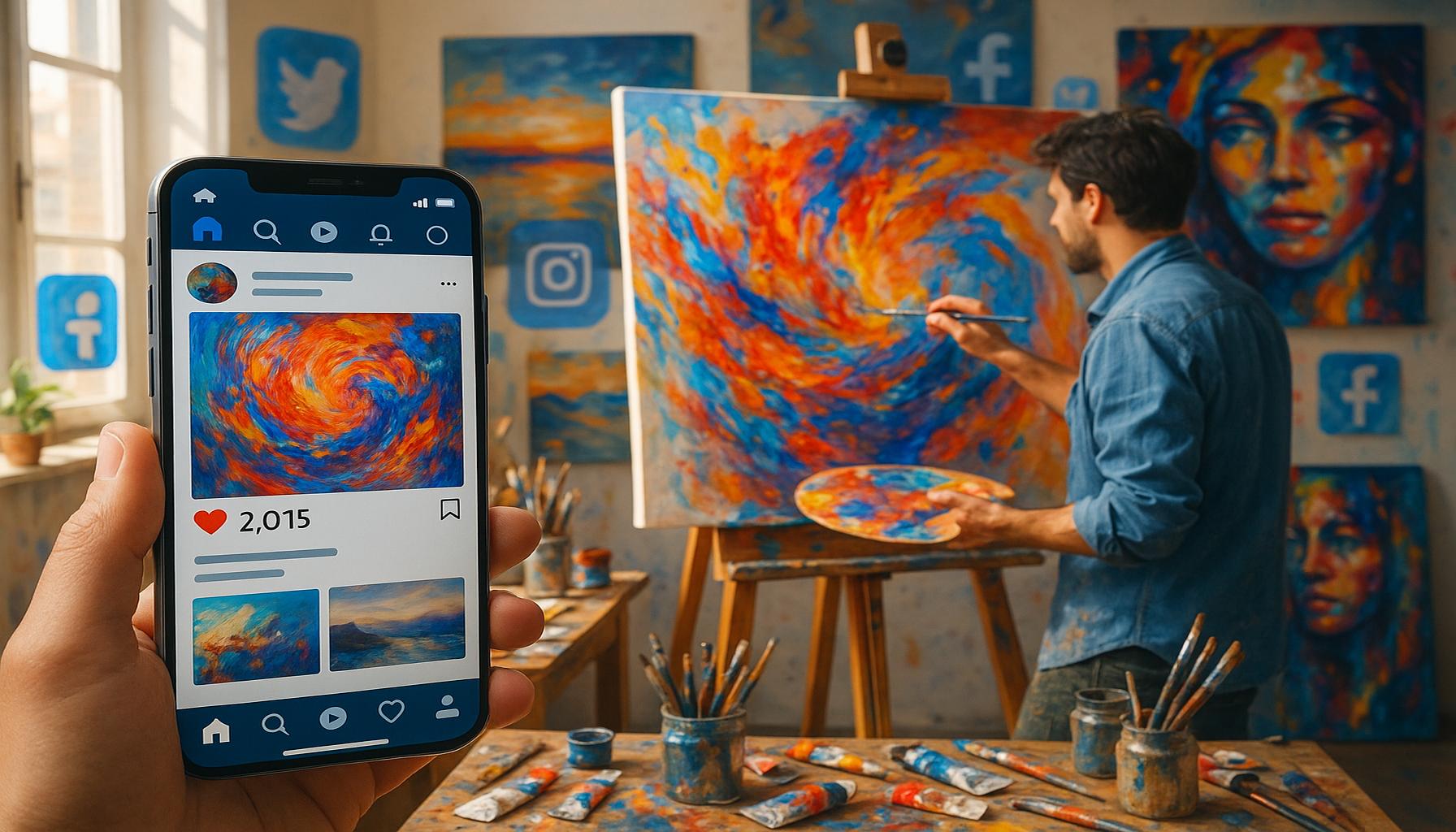
- Feedback Loop: Receiving and providing constructive feedback can lead to innovation and skill development. For instance, a painter who shares their work in a social media group may receive suggestions that inspire a new style or subject matter, propelling their artistic journey forward.
- Networking Opportunities: Meeting fellow hobbyists can introduce new techniques and ideas, broadening one’s creative horizons. An aspiring photographer, for example, might meet others at a local photography club who share tips on lighting, compositional techniques, or even digital editing software they hadn’t considered.
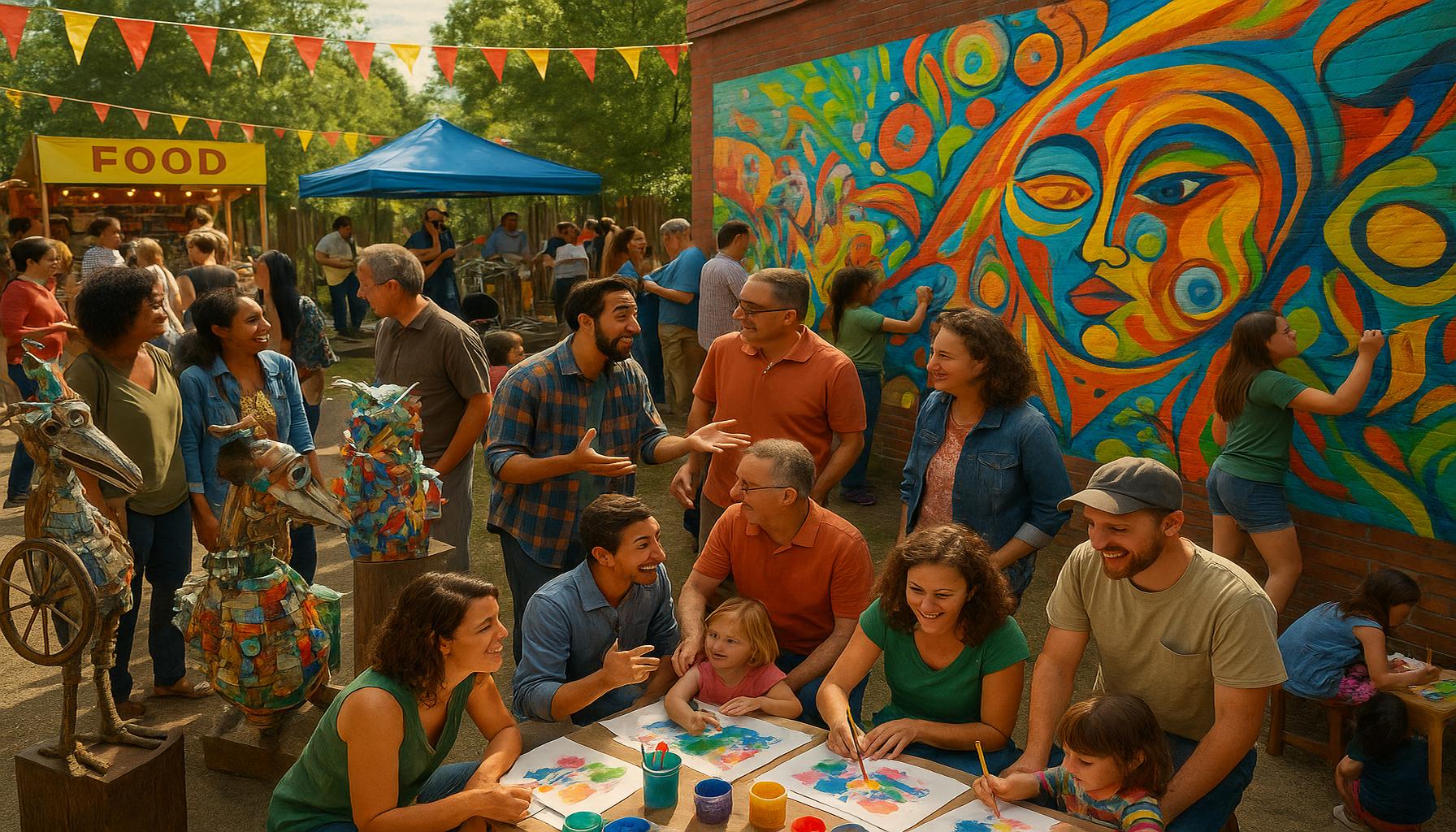
- Shared Passion: Socializing with like-minded individuals often fosters an environment ripe for creative exploration. Community events, such as art fairs or craft workshops, allow individuals to connect over a shared love for their medium, inspiring each other to push boundaries and try new things.
Consider the vibrant artistic communities found in places like New York City or Los Angeles, where artists, musicians, and makers frequently collaborate. These urban centers are hubs for creativity, with local galleries hosting openings, musicians performing at various venues, and creative workshops flourishing in printmaking, pottery, and textiles. Such interactions can serve as fertile ground for new projects and skill acquisition, illustrating the profound effects of collective engagement.
The impact of social settings extends beyond individual creativity; they also play a vital role in fostering a supportive ecosystem where ideas can flourish. For example, in cities renowned for their artistic scenes, like Portland or Austin, community initiatives often encourage collaboration and experimentation among creatives. This could involve pop-up galleries that allow artists to exhibit work and engage with the public, or collaborative performances that blend different artistic forms.
This exploration will delve into how social settings not only nurture individual creativity but also contribute to the overall development of creative skills in hobbyists. Through examining various case studies and expert opinions, we will uncover how these interactions can lead to significant creative breakthroughs, highlighting the essential nature of social engagement in cultivating a vibrant creative spirit within communities.
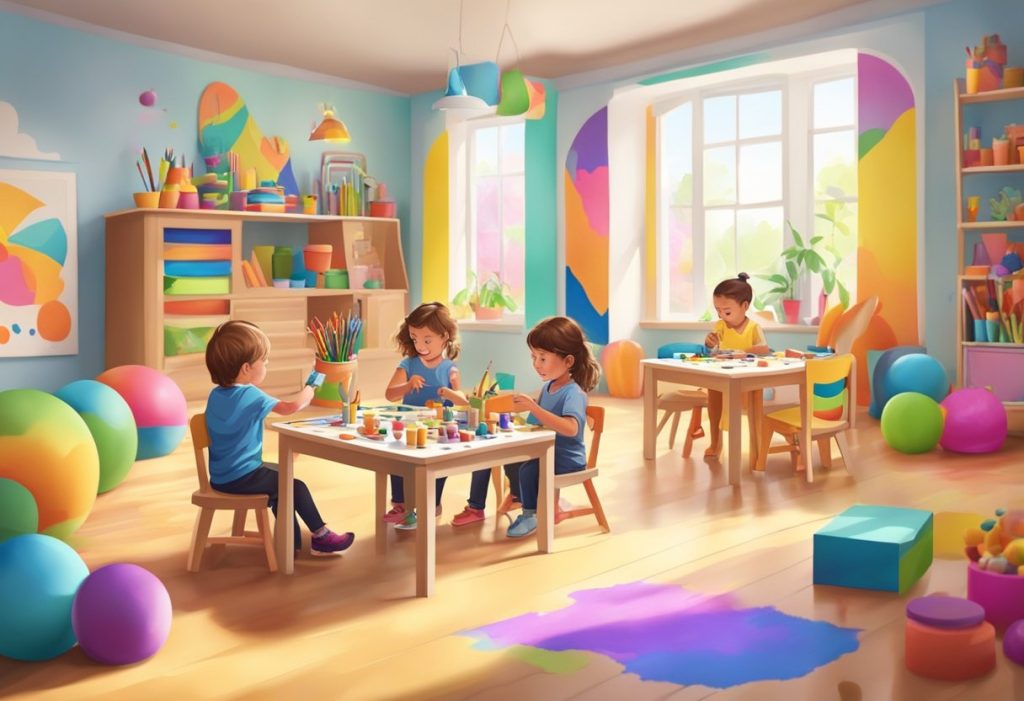
DISCOVER: Click here to learn how creative hobbies can bring your family closer
The Power of Community in Enhancing Creative Skills
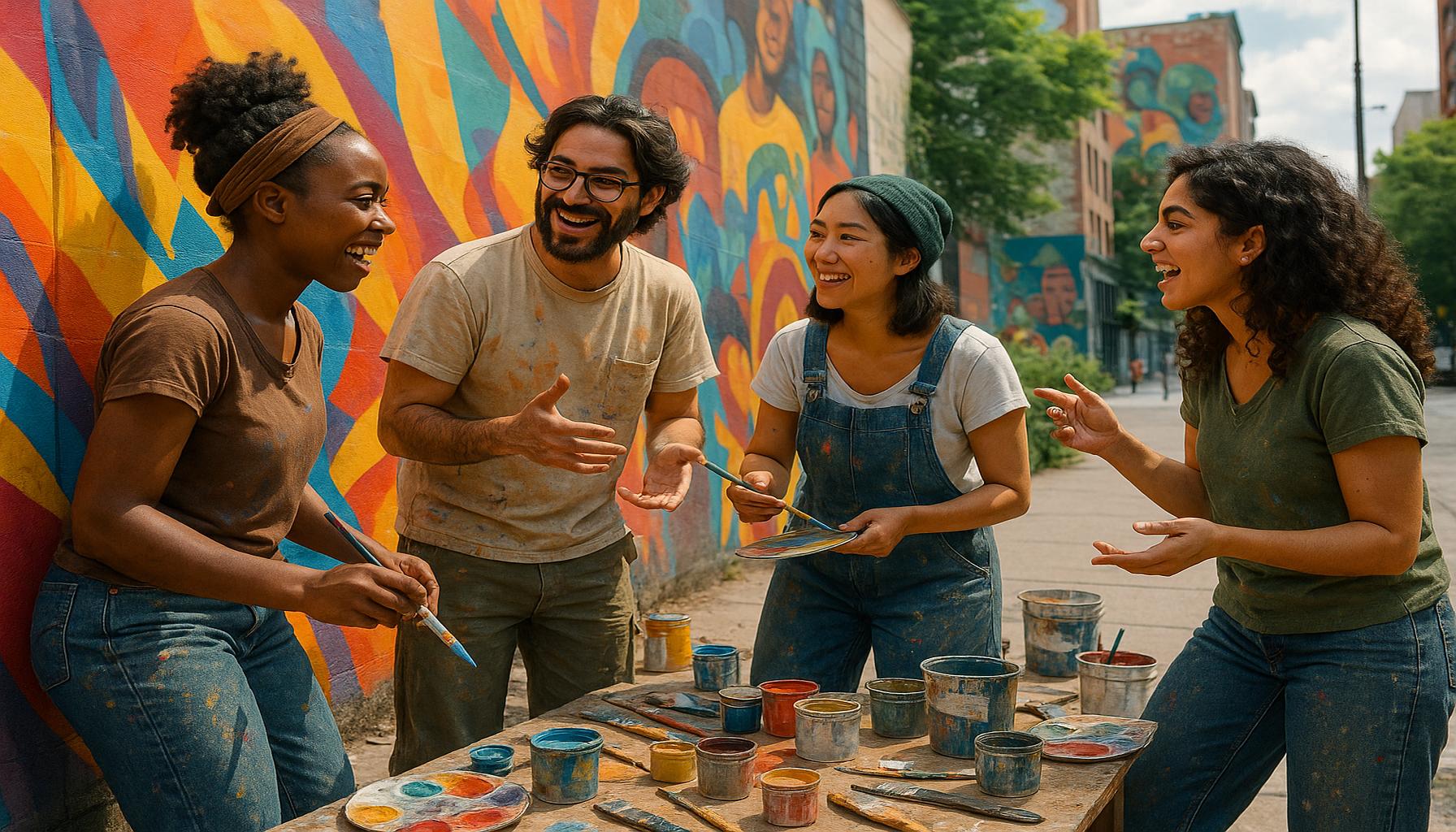
The infusion of social interaction into the creative process has proven to be a catalyst for growth among hobbyists. When individuals engage with others who share their passions, the result is often a dynamic exchange of ideas that fuels the fire of creativity. This phenomenon can be examined through various perspectives, revealing how social contexts can enhance individual abilities to innovate and create.
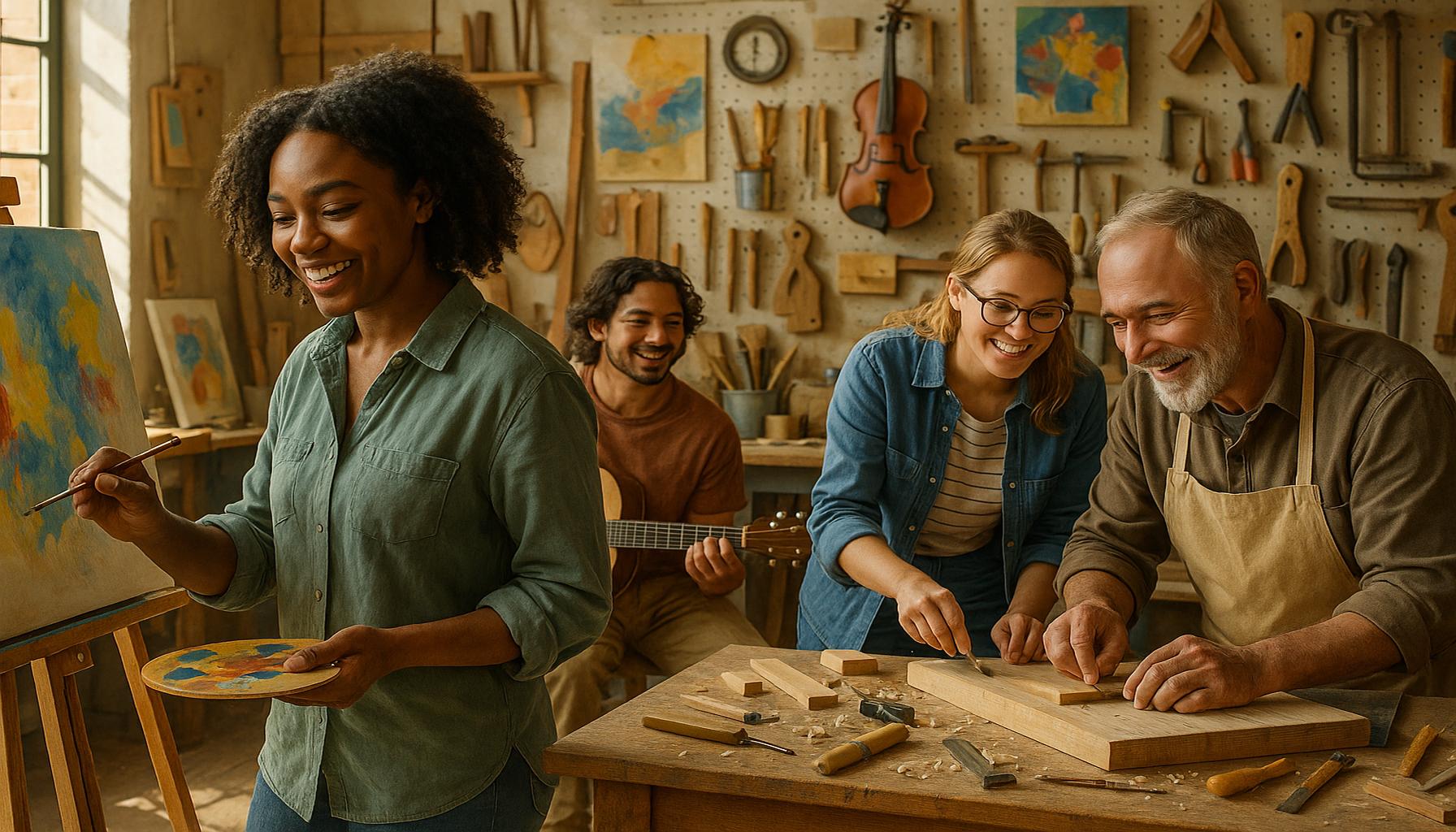
One of the most significant ways in which social interaction influences creativity is through the diversity of perspectives. When hobbyists come together, they bring unique backgrounds, experiences, and knowledge that contribute to a richer understanding of their craft. For example, in a local knitting circle, experienced knitters may share intricate patterns and techniques that beginners hadn’t been exposed to before, broadening their skill set considerably. This collaborative environment not only fosters learning but also encourages creativity as participants are motivated to experiment and take risks in their projects.
Moreover, the act of collaborative creation can lead to breakthroughs that individuals may not achieve alone. Working on projects with others can ignite the imagination and enhance problem-solving abilities. For example, a group of filmmakers collaborating on a community documentary might generate innovative storytelling techniques that none could have conceived independently. By sharing their individual strengths—be it in cinematography, editing, or narrative structure—the team enhances the overall quality of the production, showcasing the powerful synergy of creative collaboration.
Engagement in social contexts also provides motivation and accountability, which are crucial for artists and hobbyists trying to hone their skills. Regular meetups, workshops, or online challenges nurture commitment and encourage participants to stay on track with their creative endeavors. A novelist, for instance, might join a local writing group where members share progress updates, critique drafts, and celebrate milestones together. This shared journey not only helps keep spirits high but also fosters a sense of camaraderie that can inspire continued creativity.
- Increased Innovation: New ideas often arise from discussions and brainstorming sessions in group settings, leading to potential breakthroughs in creative projects.
- Skill Development: Learning from others through workshops and peer feedback enhances specific skills—be it in painting, pottery, or even digital art.
- Building Community: A strong social bond among hobbyists can lead to lasting friendships and networks that provide emotional and professional support.
As the United States continues to embrace the arts across various media, cities are fostering creative spaces that support social interaction among hobbyists. For instance, numerous cities are establishing makerspaces where individuals can share tools and resources while collaborating on projects. Initiatives like these not only encourage local artistry but also emphasize the importance of community in creative skill development.
This exploration into the influence of social interaction on developing creative skills in hobbyists clearly unfolds an essential narrative: creativity thrives in community. Understanding the profound impact of collaborative environments enables hobbyists to fully leverage these interactions, ultimately leading to greater innovation and personal fulfillment.
The Benefits of Social Interaction for Hobbyists
Social interaction plays a vital role in enhancing the creative skills of hobbyists across various domains. Engaging with others who share similar interests can lead to a myriad of benefits, influencing not only skill development but also fostering a sense of community and belonging. Below, we explore the advantages of social interaction in this context.
| Advantage | Description |
|---|---|
| Enhanced Idea Exchange | Social platforms provide a fertile ground for sharing ideas, techniques, and feedback. Hobbyists who connect often exchange innovative tips that enhance their practices. |
| Increased Motivation | Being part of a community encourages commitment to personal projects. The presence of others often inspires individuals to push their creative boundaries and explore new possibilities. |
| Access to Resources | Social interactions can lead to collaborations that provide valuable resources, such as workshops, materials, and tools that might not be accessible alone. |
| Feedback and Growth | Receiving constructive feedback from peers helps hobbyists to refine their skills. It encourages learning from mistakes and adapting different techniques for improvement. |
Through these advantages, it becomes evident that social interaction not only enriches the skill set of hobbyists but also nurtures their passion, driving creativity further. By seeking out connections with fellow enthusiasts, individuals can unlock their full potential in their artistic endeavors.
DISCOVER MORE: Click here to dive deeper
The Impact of Competition and Inspiration in Creative Communities
While the collaborative aspects of social interaction are essential, the element of healthy competition also plays a significant role in enhancing creative skills among hobbyists. Competitions, whether formal or informal, provide participants with a platform to showcase their talents and push the boundaries of their creativity. For instance, local art fairs and community talent shows can stir excitement and foster motivation among hobbyists, as they prepare to exhibit their work before others. This not only instills a sense of accomplishment but also encourages individuals to strive for improvement, thus honing their creative abilities.
Additionally, exposure to others’ work during these competitive events often serves as a source of inspiration. When hobbyists see their peers’ innovative projects—be it a stunning piece of pottery, a beautifully composed photograph, or an engaging piece of writing—they may feel compelled to experiment with new techniques or ideas. This inspiration can spark a creative renaissance within individuals, motivating them to step outside their comfort zones. For example, a budding photographer who sees unconventional images at a local gallery might be inspired to try new styles and compositions, thus broadening their skill set.
Social interaction also facilitates the exchange of knowledge in creative communities. Through workshops, meet-and-greets, and online platforms such as Facebook groups or Instagram pages dedicated to specific crafts, individuals can share resources and learn from each other’s experiences. These interactions often lead to topic-specific discussions where hobbyists trade tips, tools, and techniques. A ceramic artist may share insights on glazing, while a fellow potter may share their experiences regarding different clay bodies. This flow of information not only accelerates individual learning but also builds a collective understanding of the craft that enhances creativity across the board.
- Networking Opportunities: Creative hobbies often thrive on connections. Networking can lead to collaborations, potential partnerships, and even future job opportunities in the creative industry.
- Access to Resources: Community members often have access to shared tools and facilities, enabling hobbyists to experiment without significant financial investment, thus spurring creativity.
- Feedback Loop: Receiving critiques and support from fellow hobbyists can provide direction and encouragement that are vital for personal growth and development.
In urban environments across the United States, creativity hubs such as co-working spaces or community centers are cultivating social interaction among hobbyists of various disciplines. These spaces often host open mic nights, art exhibits, and workshops that foster a sense of belonging. Research indicates that spaces designed for community engagement can significantly enhance the creative process by providing the necessary infrastructure for collaboration and support. Such platforms encourage hobbyists to flourish in a safe space, enhancing their artistic journey while simultaneously building a network of friendships and professional contacts.
As social interaction continues to shape the landscape of creative hobbies, understanding its multifaceted role in developing artistic skills becomes paramount. Through competition, inspiration, direct exchange of knowledge, and fostering teamwork, hobbyists can unlock new levels of creativity, which can ultimately transform their passion into a profound personal and professional endeavor.
DIVE DEEPER: Click here to discover more
Conclusion: The Power of Connection in Creative Development
In conclusion, the profound impact of social interaction on the development of creative skills among hobbyists cannot be overstated. As we have explored, the dynamic interplay of collaboration, healthy competition, and the exchange of knowledge creates an environment ripe for innovation and personal growth. By engaging with peers through community events, workshops, and online platforms, hobbyists not only receive invaluable feedback but also cultivate a sense of belonging that enriches their creative journey.
Moreover, the inspiration drawn from witnessing the diverse talents of others can push individuals to explore uncharted territories within their craft. This motivation, coupled with the support of a vibrant community, fosters an atmosphere where creative expression thrives. Such interactions lay the groundwork for lifelong friendships and professional opportunities that emerge from shared passions, enhancing both personal satisfaction and potential career paths.
As urban creativity hubs continue to emerge across the United States, it is critical for hobbyists to embrace these opportunities for social interaction. The ability to collaborate and learn in a supportive environment can be the key to unlocking hidden talents and expanding one’s skill set. By recognizing the multifaceted nature of social influence on creativity, aspiring artists, writers, and crafters are encouraged to connect, collaborate, and innovate. Ultimately, as individuals come together to share their experiences and knowledge, they contribute not only to their personal growth but also to the enrichment of their creative communities.