The Influence of Creative Hobbies on Social Skills Development in Children and Teens
The Value of Creative Hobbies
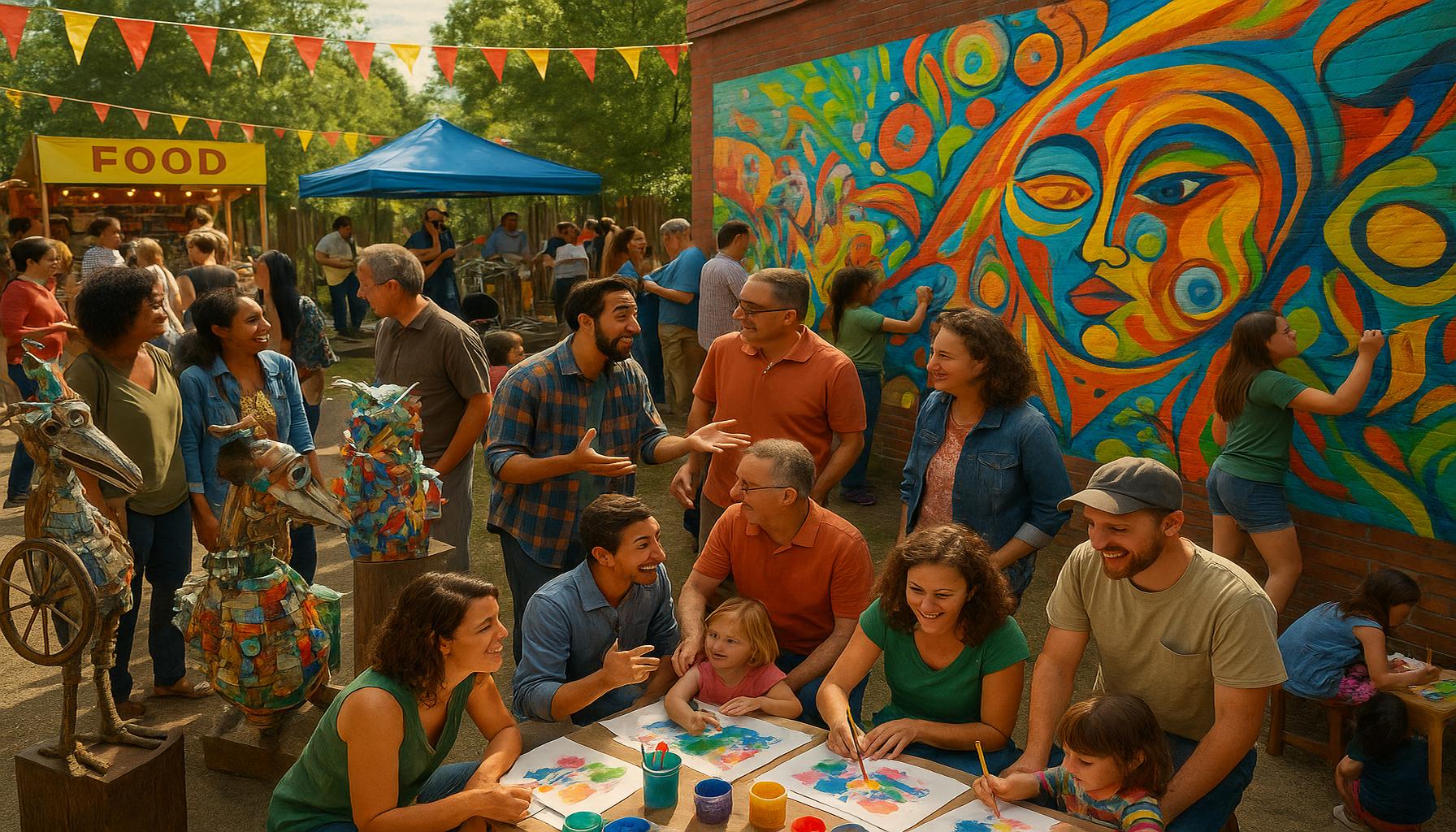
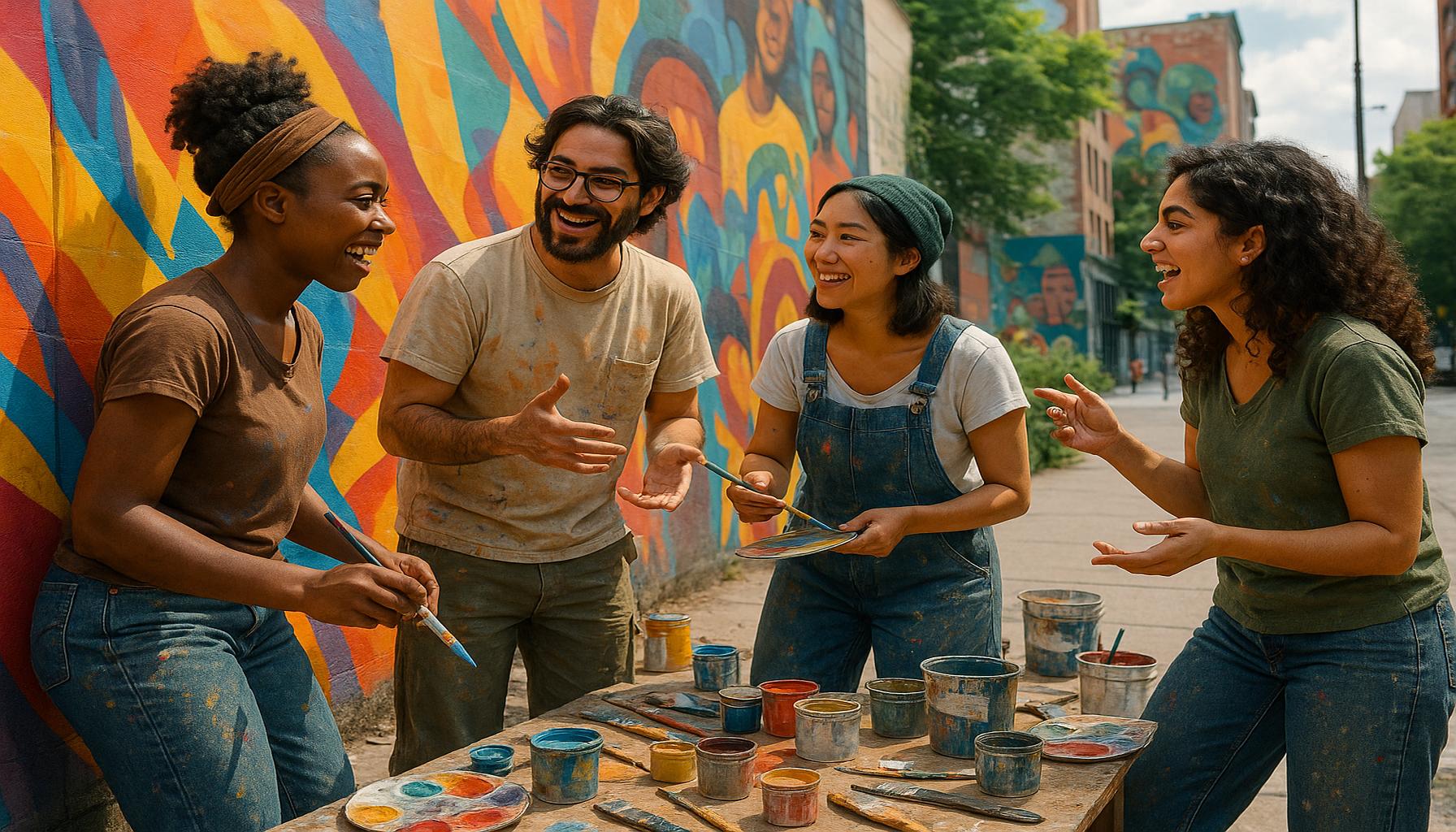
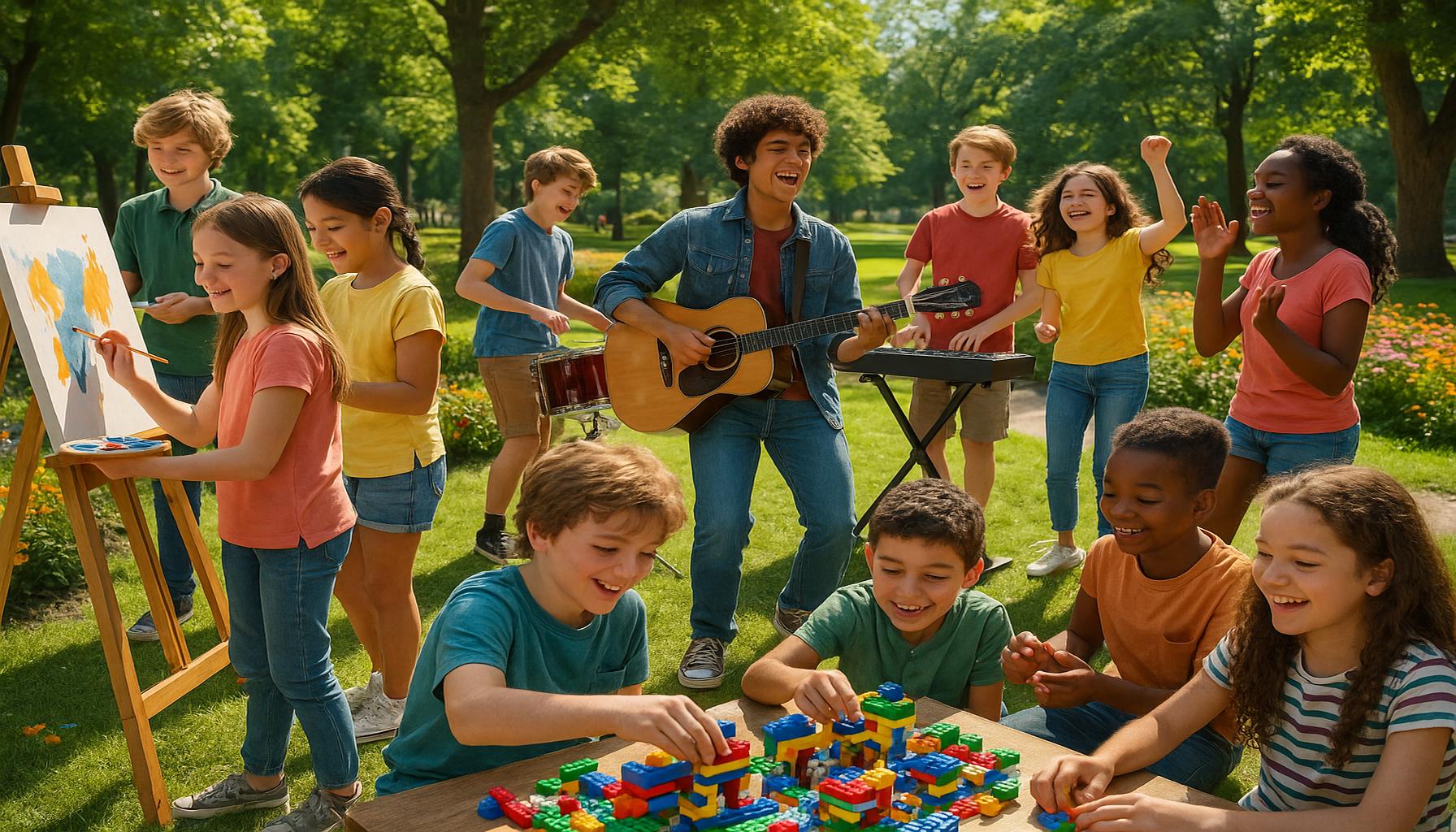
In today’s fast-paced world, creative hobbies have emerged as vital instruments for enhancing social skills among children and teens. Engaging in activities such as art, music, theater, and sports can profoundly shape a young person’s ability to communicate and connect with others, thereby preparing them for the diverse challenges they will encounter both now and in the future.
Creative pursuits offer unique avenues to cultivate essential life skills. For instance, participating in a group art project not only promotes teamwork but also equips youngsters with skills in negotiation and compromise as they navigate differing opinions on a shared vision. Similarly, playing in a sports team fosters communication skills; athletes often learn to give and receive constructive feedback, which is necessary for collective growth.
- Teamwork: Collaborative activities require individuals to work towards a common goal, encouraging them to appreciate each other’s strengths.
- Communication: Opportunities to articulate thoughts and emotions, whether through a performance script or a sports strategy, significantly improve verbal communication skills.
- Empathy: Creative outlets like storytelling and role-playing in theater productions allow youngsters to immerse themselves in different perspectives, deepening their understanding of others’ experiences.
Research underscores that children who engage in creative activities tend to develop stronger interpersonal relationships. Such individuals typically demonstrate increased confidence and adaptability, making it easier for them to navigate the complexities of social environments. For example, a child involved in music lessons often finds themselves interacting with a diverse group of peers, enhancing their social adaptability.
Moreover, creative hobbies serve as a valuable platform for emotional expression. When children engage in art or write songs, they have the opportunity to articulate their feelings productively. This outlet can lead to:
- Reduced anxiety: Creative self-expression can alleviate feelings of loneliness and isolation, offering a safe space for emotional release.
- Conflict resolution: Collaborative engagements teach children how to navigate disagreements, thereby sharpening their conflict resolution skills.
- Cultural awareness: Exposure to different art forms, such as dance styles from various cultures or music genres, broadens perspectives and fosters a sense of inclusivity among young people.
As we explore this topic further, it’s crucial to understand the mechanisms through which these creative hobbies influence social development. Through meaningful engagement with art, music, and performance, children not only hone their social skills but also become thoughtful, empathetic individuals. By recognizing the impact of creative activities, parents and educators are better positioned to cultivate essential social skills in the younger generation, ultimately contributing to their holistic development.
DON’T MISS OUT: Click here to discover how online platforms enhance creative partnerships</p
Unlocking the Potential of Creative Hobbies
Creative hobbies serve as a breeding ground for essential social skills that are needed in various aspects of life. Throughout history, societies have recognized the significance of arts and sports in shaping character and fostering teamwork. Today, the landscape of youth engagement has evolved, yet the core benefits remain intact: collaboration, communication, and empathy. Each of these components plays a pivotal role in children’s social development, setting them up for success both inside and outside the classroom.
For instance, group activities such as theatre productions and band performances require participants to collaborate closely with peers. This collaboration is not merely about creating a final product but rather involves understanding and appreciating the contributions made by each member. In a theater improvisation exercise, for example, children must listen actively and adjust their performances based on the cues given by their collaborators. This mutual dependence fosters a sense of belonging and community while simultaneously enhancing their communication skills.
- Creativity boosts self-confidence: Engaging in creative endeavors often provides children with a sense of achievement, which can enhance their self-esteem and empower them to express themselves more freely.
- Problem-solving skills: Creative activities often present unexpected challenges. Children learn to think critically and creatively to find solutions, which translates into strong conflict resolution capabilities.
- Capacity for collaboration: Whether on a sports team or in a music ensemble, children develop the understanding that success is a shared responsibility, which is crucial for fostering teamwork.
Additionally, the reputable National Endowment for the Arts has highlighted that children engaged in artistic practices are more likely to perform better academically. The correlation between artistic involvement and academic excellence can be attributed to the discipline and commitment required in creative hobbies, which nurture a child’s ability to focus and apply themselves in collaborative social situations. This commitment often translates to enhanced social interactions, making it easier for children and teens to forge friendships and work effectively in group settings.
Moreover, as technology continues to evolve, many creative hobbies have found new expressions through digital mediums. Online music collaborations or virtual art classes expose children to diverse perspectives and cultures, enriching their social intelligence. Participation in these digital arenas not only enhances creativity but also encourages the formation of virtual communities, giving children a broader network of peers to relate to and learn from.
In essence, engaging in creative hobbies has a profound impact on the social skills development of children and adolescents. Through teamwork, problem-solving, and self-expression, these activities encourage young people to become more adaptable, empathetic, and socially adept. As we delve deeper into the specifics of various creative pursuits, the clear link between these hobbies and social skill enhancement becomes increasingly evident, underscoring an important message for parents and educators alike.
The Influence of Creative Hobbies on Social Skills Development in Children and Teens
The interaction between creative hobbies and social skills is profound, creating an environment that encourages children and teens to develop interpersonal relationships and effective communication. Research indicates that engaging in creative activities, such as music, visual arts, theatre, and crafting, significantly enhances empathy and emotional intelligence. This is largely due to the collaborative nature of these hobbies, where individuals often work together towards a common goal, facilitating peer interaction and mutual understanding.In groups, children learn to listen attentively, respect diverse opinions, and express themselves clearly. Activities that require teamwork—like group paintings or drama productions—foster a sense of belonging, which is critical during formative years. Moreover, these experiences can alleviate social anxiety, as participants become accustomed to expressing themselves in a safe and supportive environment.Educational settings increasingly incorporate creative arts into their curricula to bolster social competence. Schools recognize that children who actively participate in creative hobbies are more likely to exhibit strong leadership qualities as well as adapt well in social situations. Teachers report that students involved in arts-related projects show greater resilience and are better equipped to handle conflicts, contributing to a positive classroom atmosphere.To further explore the nuances of this relationship, let’s dive deeper into the specific advantages of these creative ventures through the following table:
| Advantage | Impact on Social Skills |
|---|---|
| Teamwork | Encourages collaboration and communication, improving interaction skills. |
| Emotional Expression | Fosters understanding of emotions, leading to empathetic interactions. |
| Conflict Resolution | Promotes negotiation and problem-solving, essential for effective relationships. |
These creative activities can serve as essential tools for nurturing today’s youth into well-rounded adults, ready to navigate the complexities of social landscapes. Addressing the half-forgotten skills honed through artistry may very well be a key to unlocking vibrant and empathetic communities.
DISCOVER MORE: Click here to dive deeper
The Power of Creative Expression in Building Relationships
In exploring the influence of creative hobbies, it’s important to consider the role of creative expression in fostering meaningful relationships among children and teens. Engaging in creative hobbies, whether through visual arts, dance, or music, allows young people to express their thoughts and feelings in a safe environment. This expression not only helps children articulate their emotions but also cultivates an understanding of others’ feelings, which is fundamental to building empathy.
Research indicates that involvement in creative activities can significantly enhance emotional intelligence—a crucial component of strong social interactions. According to a study published in the journal Child Development, children involved in visual arts projects demonstrated improved abilities to recognize emotions in others. This ability to empathize with peers can lead to healthier relationships and a greater social network.
Moreover, creative hobbies frequently require participants to engage in feedback exchanges, generating dialogue and facilitating connections. For instance, when children participate in a drama class, they engage in scene work that requires critical feedback from peers and instructors. This practice cultivates a culture of constructive criticism—an invaluable skill that teaches children not only how to give feedback but also how to accept it gracefully. Children who can navigate these social nuances tend to be more resilient in the face of challenges, developing a sense of comfort in interactions with their peers.
- Improvement in language and communication skills: Creative hobbies often involve storytelling, painting, or music, which require children to articulate their ideas clearly. This articulateness boosts their verbal and non-verbal communication, vital for social interactions.
- Exposure to diverse perspectives: In many creative settings, children are often exposed to different backgrounds and viewpoints. This exposure fosters an appreciation for diversity and encourages inclusivity, ultimately broadening their social horizons.
- Opportunities for leadership: When children take on roles in group projects or performances, they often find themselves in leadership positions, learning how to coordinate with others while also motivating their peers.
The benefits of engaging in creative hobbies extend beyond interpersonal skills to play a significant role in fostering mental health. Studies have shown that creativity can act as an emotional outlet, reducing anxiety and stress. When children channel their feelings through art, music, or dance, they develop coping mechanisms that enable them to handle social situations more effectively. A study by the American Psychological Association found that adolescents who participated in creative activities exhibited lower levels of social anxiety, showcasing the profound impact of creative expression on their overall well-being.
Additionally, the transition to youth and adolescence can often bring challenges, including social dynamics related to identity and peer acceptance. Creative outlets provide a platform for young individuals to explore their identities in a supportive setting. For example, LGBTQ+ youth often find solace in community theater or music groups where they can express their authentic selves without fear of judgment. These safe spaces promote acceptance, fostering an environment where individuals learn to understand and celebrate differences, which in turn enhances their social competence.
In conclusion, the influence of creative hobbies on social skills development in children and teens cannot be understated. By nurturing empathy, facilitating communication, and improving mental health, these activities equip young individuals with the necessary tools to thrive in social situations, forging connections that can last a lifetime.
DISCOVER MORE: Click here to dive deeper
Final Thoughts on the Importance of Creative Hobbies
As we delve into the influence of creative hobbies on social skills development in children and teens, it becomes increasingly clear that such activities are not merely leisure pursuits; they are pivotal in shaping interpersonal dynamics. The evidence points to an undeniable connection between creative expression and the enhancement of essential social skills such as empathy, communication, and resilience. Creativity provides a robust framework for young individuals to navigate the complexities of social interactions, enabling them to understand their own emotions while recognizing those of others.
Moreover, creative hobbies introduce children to a myriad of perspectives, ensuring that they develop an appreciation for diversity and inclusivity. By engaging in collaborative projects, these young people not only cultivate their leadership skills but also learn the invaluable lesson of constructive feedback, which greatly benefits their future relationships both personally and professionally. As they explore their identities through artistic endeavors, they discover avenues for self-expression that can significantly alleviate social anxiety and promote positive mental health.
In a society that increasingly values emotional intelligence and interpersonal effectiveness, encouraging children and teens to embrace creative hobbies can provide them with a competitive edge that extends far beyond the classroom. As educators, parents, and mentors, fostering an environment that prioritizes creative expression can lead to the development of well-rounded, socially adept individuals who are equipped to form meaningful connections throughout their lives. Hence, advocating for and facilitating these creative pursuits is not just beneficial—it is essential for the holistic development of our youth.