Building Community Through Creative Hobbies: The Power of Group Workshops
The Rise of Creative Hobbies in Group Settings
In recent years, there has been a remarkable shift towards valuing the power of creative hobbies, particularly in group settings. As people seek to escape the pressures of modern life, they increasingly turn to workshops and classes that provide more than just skill development; these gatherings create community, foster relationships, and encourage personal expression.
The Dynamics of Shared Experiences
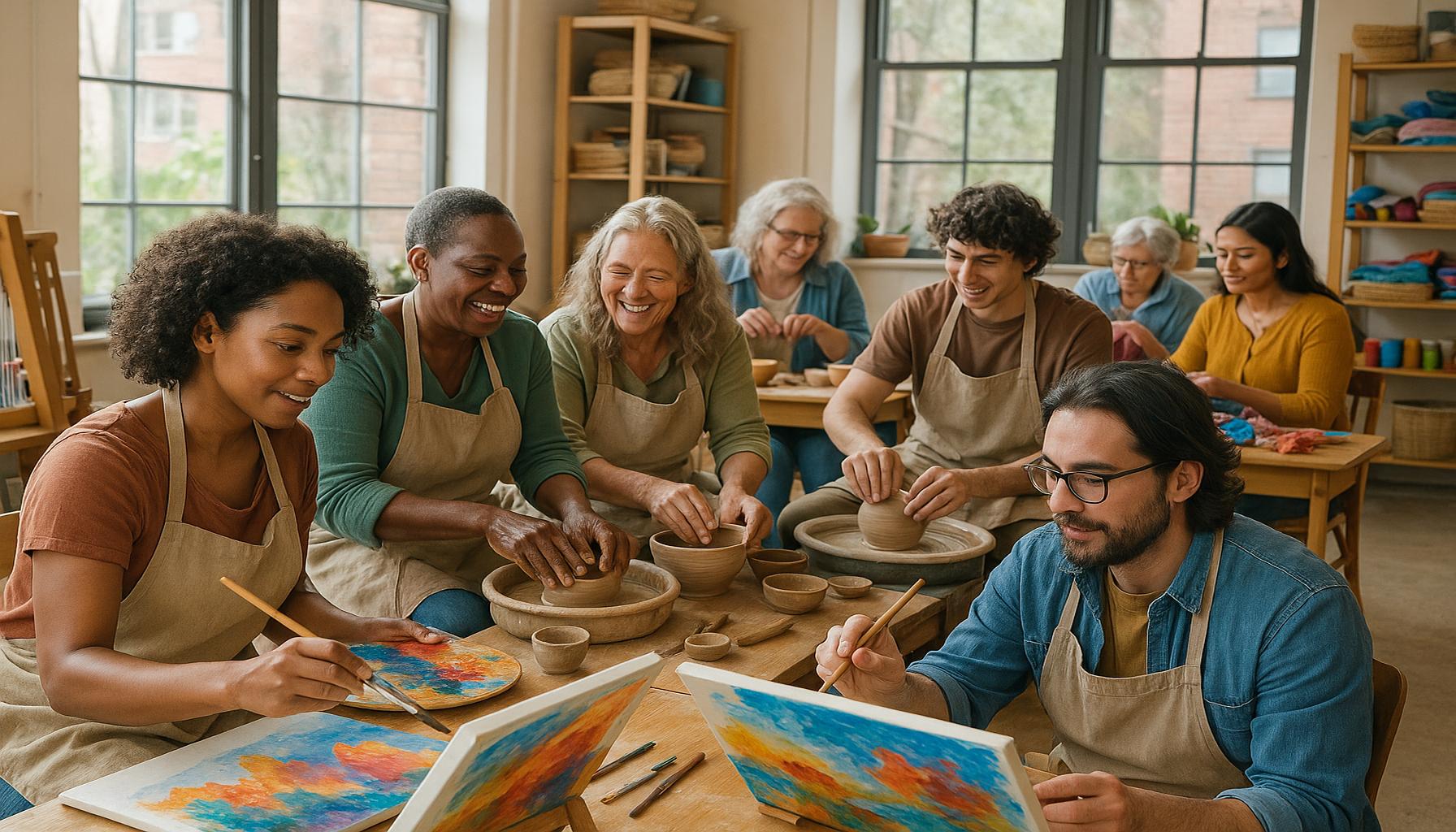
When individuals come together to engage in a creative activity, they create a unique atmosphere that enhances their experiences. For example, a pottery workshop is not merely about molding clay into beautiful shapes; it is where participants share laughter over their attempts, offer encouragement, and even swap stories about their lives. According to research from the National Endowment for the Arts, the connections made during these activities can result in long-lasting friendships, turning strangers into companions.
Social Interaction and Networking
The benefits of social interaction in creative workshops extend beyond developing individual hobbies. Engaging with like-minded individuals fosters a sense of belonging and opens doors to new opportunities. For instance, a dance class may lead to a network of local enthusiasts who then organize performances or outings together. This kind of interaction not only enhances learning but also inspires participants to collaborate on new projects, thus amplifying the collective creative output of the group.
Diverse Perspectives Fueling Creativity
One of the most enriching aspects of group creative workshops is the variety of perspectives participants bring. Individuals from different backgrounds, cultures, and experiences contribute unique ideas that can significantly enhance the creative process. A community quilting circle composed of members with varying stories may produce quilts that reflect a wide array of themes, making them not only works of art but also powerful narratives. This diversity leads to innovative solutions and artistic expressions that are often more impactful than solitary endeavors.
The Positive Impact on Emotional Well-being
Moreover, engaging in group creative activities has been shown to promote mental health. Workshops provide a supportive environment where individuals can express themselves freely, alleviating feelings of anxiety and depression. For example, a study published by the American Journal of Arts Therapy noted that participants in group art therapy reported reduced stress levels and improved mood. The act of creating alongside others fosters a sense of unity and shared purpose that contributes to overall emotional resilience.
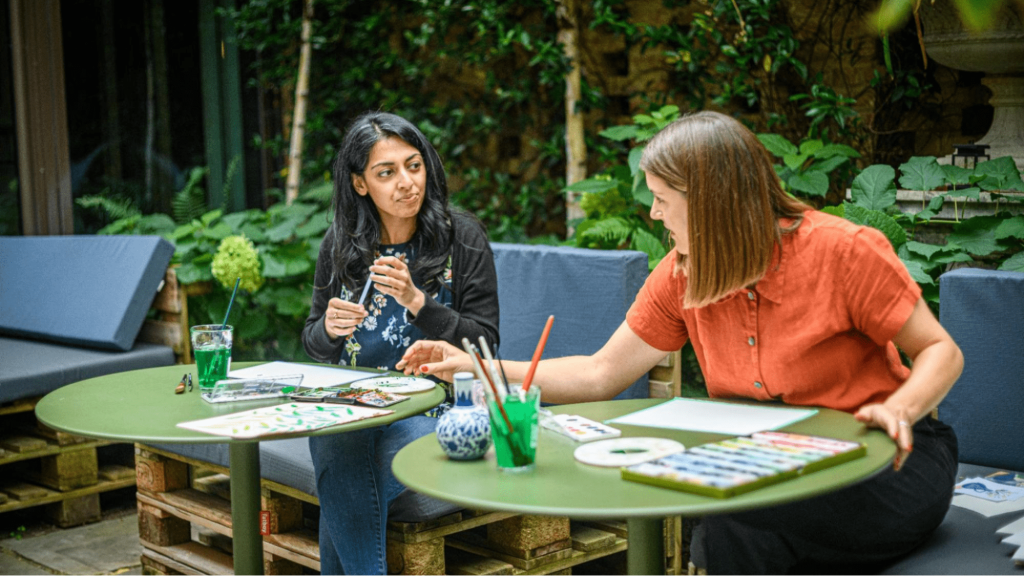
As a testament to the popularity of these activities, many urban areas across the United States have witnessed a surge in creative workshops. Studios and community centers often host classes in everything from painting and sculpture to knitting and photography. The overwhelming demand reveals a collective yearning for creative expression and community connection. With nearly 60% of Americans expressing a desire to engage in more creative activities, it is evident that these workshops serve a critical role in enhancing individual lives while weaving the social fabric tighter.
In conclusion, embracing creative hobbies in group settings presents a wealth of benefits that extend far beyond mere participation. These workshops are powerful engines for building community ties, enriching personal growth, and nurturing emotional well-being. As society continues to evolve, the importance of fostering creativity and connection through these activities cannot be overstated.
DIVE DEEPER: Click here to learn more
Creative Workshops as Community Builders
Creative workshops are transforming the landscape of community engagement by bringing people together through shared interests and passions. A recent survey revealed that over 70% of participants in group creative activities report feeling more connected to their communities. Whether in local art studios, community centers, or online platforms, these workshops are thriving as spaces of collaboration, connection, and creativity.
The Structure of Collaborative Learning
Central to the effectiveness of group workshops is the concept of collaborative learning. This approach encourages participants to share their knowledge and experiences, allowing each member to learn from one another. For instance, a group photography workshop might feature attendees who bring diverse technical skills and artistic visions. One participant may teach others about composition while another shares tips on lighting. This exchange of ideas not only enhances individual learning but also cultivates a dynamic community atmosphere.
Accessibility and Inclusivity in Artistic Expression
Another compelling aspect of group workshops is their inherent accessibility. Many local organizations aim to break down barriers to creativity by offering affordable classes and providing necessary materials. Such inclusivity invites individuals from various socio-economic backgrounds to share their stories through art. Programs targeting marginalized communities often yield unexpected treasures, enabling voices that have been silenced to flourish. Workshops specifically designed for diverse groups can lead to collaborative projects that reflect a multitude of viewpoints and experiences.
Creating a Sense of Belonging
More than just creative outlets, these workshops play a pivotal role in fostering a sense of belonging among participants. The act of working together towards a common goal strengthens community ties. As attendees collaborate on projects, they build rapport and relationships that often extend beyond the duration of the class. A community knitting circle, for example, not only produces beautiful garments but also nurtures friendships that last for years. Furthermore, the personal stories shared during these activities contribute to a richer understanding of each member’s background and values.
The Economic Impact of Creativity
Additionally, the surge in popularity of group workshops has notable economic implications. Creative hobbies can lead to the establishment of local businesses, from artisan makers’ markets offering handmade goods to galleries hosting events for local artists. These workshops can stimulate local economies by boosting tourism, creating jobs, and enhancing the cultural vibrancy of neighborhoods. As people flock to creative classes, urban areas see an increase in foot traffic, making them more attractive places to live and work.
In summary, creative workshops are not just about honing artistic skills; they serve as vital platforms for building community connections, fostering inclusivity, and enhancing individual well-being. As society continues to yearn for deeper connections, the importance of these workshops as engines of creativity and community-building becomes increasingly apparent.
Discovering New Skills and Building Connections
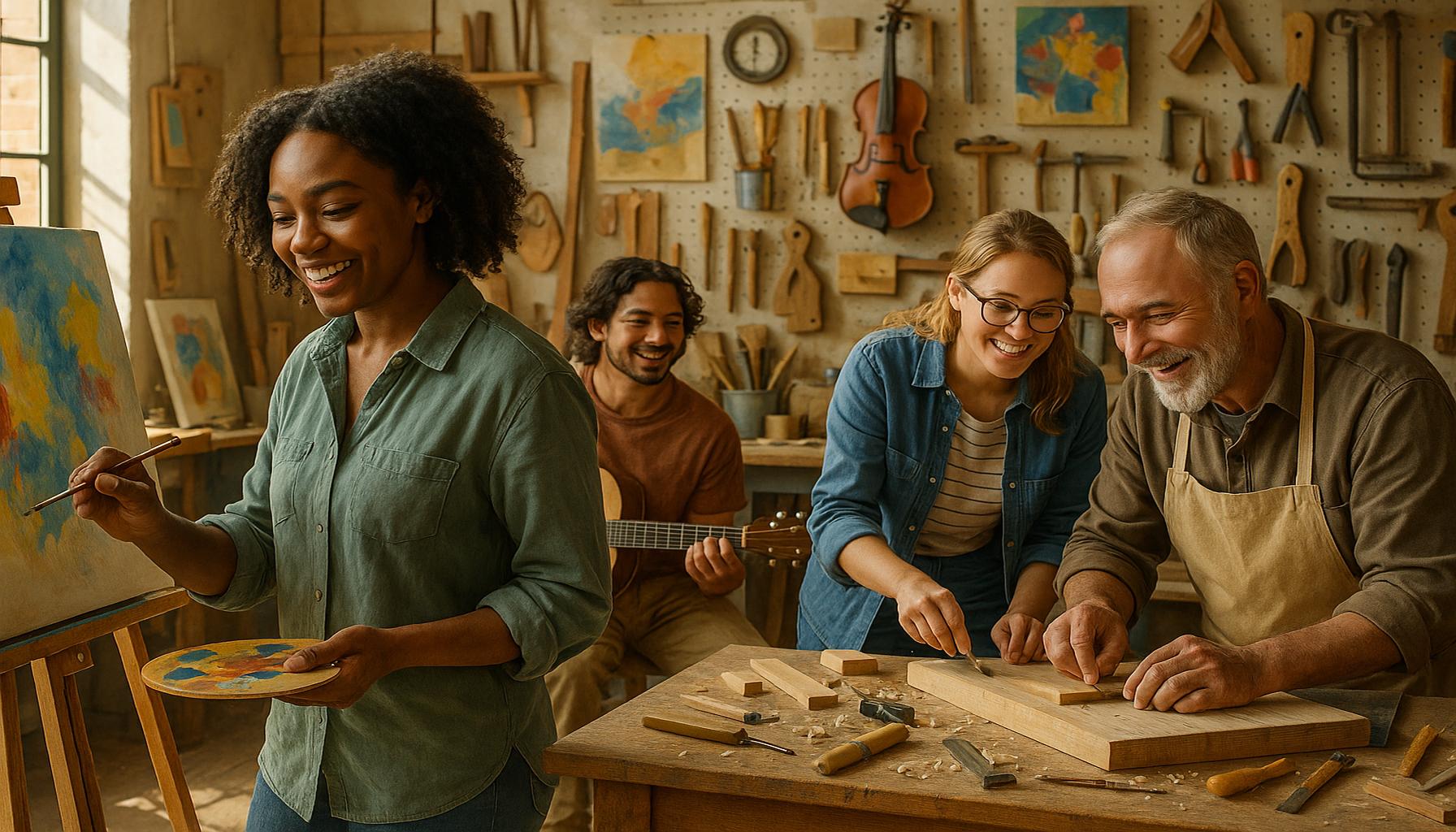
In the age of technology where individual pursuits often overshadow communal efforts, the concept of group workshops is making a remarkable resurgence. These creative sessions serve as a vital link, bringing people together to explore shared interests while fostering community bonds. Engaging in activities like pottery, painting, or cooking not only allows participants to learn new skills but also invites them to connect with others who share similar passions. Group workshops create a space that encourages cooperation and collaboration, allowing individuals to express themselves creatively while receiving constructive feedback from peers. The atmosphere filled with enthusiasm and support nurtures personal growth, making participants feel valued and understood. This communal engagement often leads to lasting friendships, turning a simple hobby into a powerful network of passionate individuals.Moreover, attending group workshops can spark innovative ideas and inspire participants to take on new challenges. As they share techniques, resources, and experiences, the collective creativity flourishes, benefiting everyone involved. These workshops not only cater to seasoned artists or chefs but are also perfect for beginners who wish to step out of their comfort zones. The accessibility of workshops—often available locally—means that anyone can join and contribute, breaking down barriers and promoting inclusivity in the community. Furthermore, local businesses often benefit from these workshops as they can serve as venues, allowing them to gain exposure and foster relationships with the community. As individuals tap into this wave of creativity and connection, they not only enhance their own lives but also contribute to the enrichment of the community around them. Group workshops symbolize the strength found in collaboration and shared passions, creating a vibrant community atmosphere where creativity thrives.
DIVE DEEPER: Click here to discover more
Cultivating Lifelong Friendships Through Creativity
One of the most delightful outcomes of creative workshops is the formation of lifelong friendships among participants. The shared experience of navigating the challenges and successes of creativity creates natural bonding opportunities. For instance, a group pottery class not only teaches participants the intricacies of shaping clay but also allows them to share laughter over mishaps and celebrate milestones together. These bonds can lead to friendships that extend well beyond the studio, enriching both personal and communal lives.
Fostering Cultural Exchange
Creative workshops also serve as powerful platforms for cultural exchange and understanding. In the diverse landscape of the United States, workshops provide a space for individuals from various backgrounds to come together and share their unique artistic traditions. A cooking class focusing on traditional dishes from different cultures can create an immersive experience where participants learn not only how to cook but also the historical context and personal significance behind each recipe. This fosters a greater appreciation for cultural diversity and helps dismantle stereotypes through shared experiences and stories.
Enhanced Mental Health and Well-being
Engaging in creative hobbies has been linked to significant improvements in mental health and well-being. Group workshops offer a supportive environment that encourages self-expression, reduces stress, and promotes happiness. Studies indicate that participating in creative activities can lower levels of depression and anxiety. For example, arts and crafts classes have been documented to allow participants to escape daily pressures, channel their emotions productively, and engage in mindfulness practices, thereby enhancing overall mental health. The communal aspect of these workshops further amplifies these benefits, as participants feel supported by a community backing them.
Harnessing Technology for Broader Impact
In recent years, technology has played a vital role in expanding the reach of these creative workshops. Online platforms have enabled workshops to transcend geographical limitations, allowing participants from various states to collaborate and learn from experts and fellow enthusiasts alike. Virtual painting classes or digital music jam sessions can attract individuals who may not have been able to access physical workshops due to distance or mobility issues. This innovation not only democratizes access to creative education but also connects individuals regardless of their locations, further strengthening the fabric of community engagement.
Community Impact Through Collaborative Projects
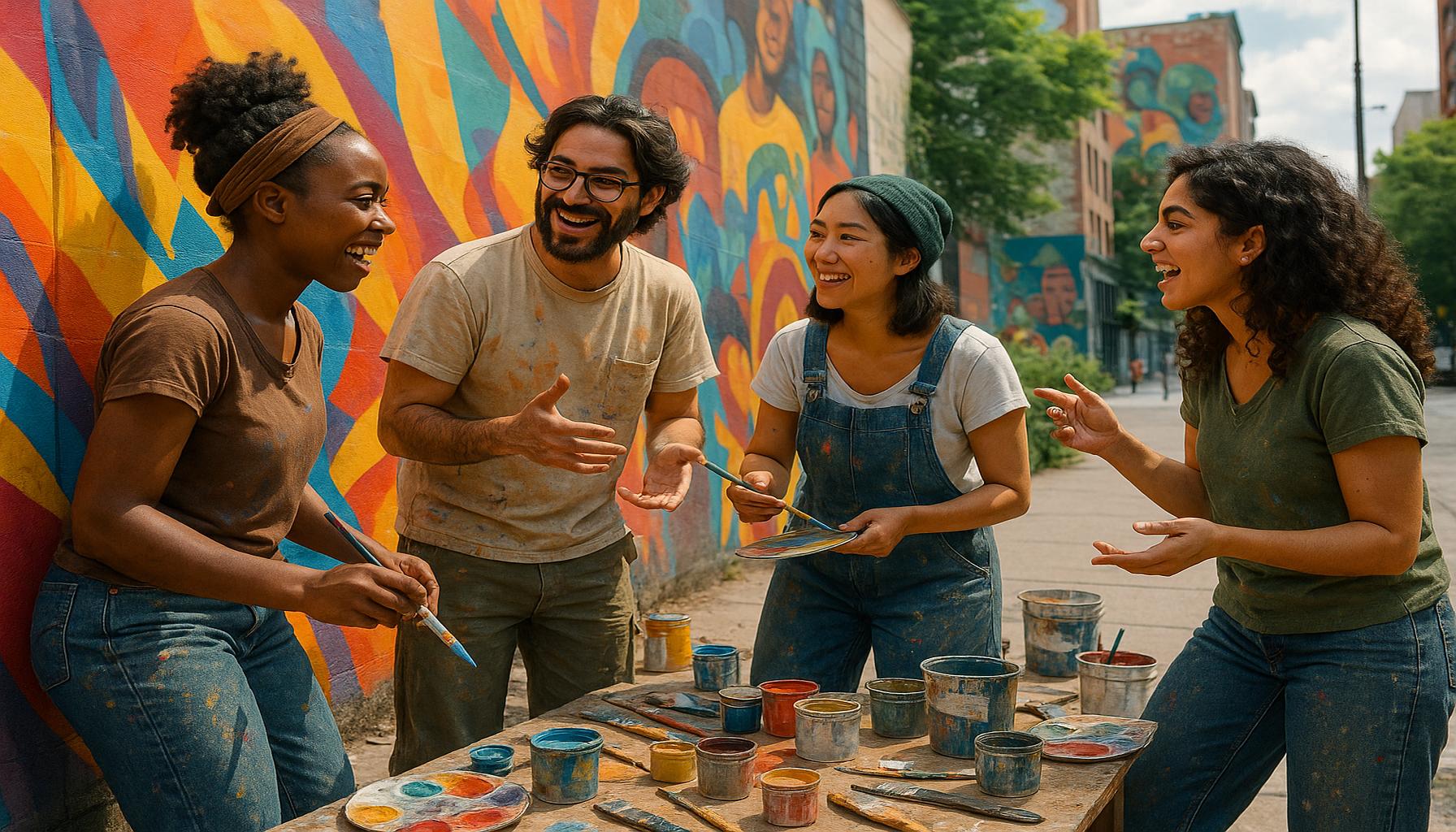
Another remarkable facet of group workshops is the potential for generating collaborative projects that serve the community at large. Many workshops conclude with community-oriented initiatives, such as public art displays or fundraisers for local charities, resulting from the collective efforts of participants. These projects not only beautify neighborhoods but also promote community pride and engagement. For instance, a mural created by members of a local art workshop can become a beacon of creativity, sparking conversations and bringing together residents from various backgrounds, enhancing the sense of unity within the community.
With the increasing focus on mental health, cultural enrichment, and economic development through creativity, group workshops emerge as multifaceted tools for community building. The collaborative spirit inherent in these settings not only nurtures individual growth but also serves as a catalyst for lasting change in our neighborhoods and cities.
DIVE DEEPER: Click here to discover how creative hobbies can bring your family closer together
Conclusion: The Transformative Potential of Group Workshops
In a world that often feels fragmented and disconnected, group workshops centered on creative hobbies offer an invaluable opportunity to foster community engagement, cultural exchange, and personal growth. These workshops not only promote mental health and well-being but also cultivate a sense of belonging through shared experiences. Participants emerge not just as learners but as contributors to a collective journey that highlights the importance of collaboration and support.
The rise of technology has only expanded the reach and accessibility of these creative sessions, allowing individuals from diverse backgrounds to connect and share ideas, regardless of geographic constraints. This evolution underscores the evolving landscape of community building, encouraging inclusivity and a broad spectrum of cultural exchange.
Moreover, the collaborative projects born from group workshops serve as vivid reminders of the positive impact that creativity can have on local communities. Whether it is a mural that sparks dialogue or a community exhibition that showcases diverse artistic talents, such initiatives not only beautify spaces but also foster unity and pride among residents.
In essence, participating in creative workshops cultivates connections that resonate far beyond the studio walls. As individuals come together, they create vibrant communities anchored in understanding, support, and artistic expression. Ultimately, investing in these shared creative hobbies is not just about enhancing skills; it’s about weaving a rich tapestry of social bonds that can uplift, inspire, and transform entire neighborhoods.