The Role of Online Platforms in Facilitating Creative Collaborations Among Hobbyists
Digital Platforms Empowering Creative Communities
The emergence of the digital revolution has profoundly reshaped the landscape of collaboration and connection. For hobbyists across America, social media and online platforms have opened the floodgates to creativity, providing myriad opportunities to share their passions, ideas, and talents. This new accessibility has given rise to an exhilarating ecosystem where creativity flourishes, allowing individuals to explore art in ways previously unimaginable.
- Social Media: Platforms like Instagram and Pinterest serve as visual bridges, allowing hobbyists to showcase their unique work. For instance, a graphic designer in Seattle can easily share stunning digital art with an audience in New York, garnering feedback and fostering inspiration. Use of hashtags further enhances visibility, connecting creators with like-minded individuals.
- Forums and Communities: Websites such as Reddit and Discord host specialized forums for nearly every niche interest imaginable—from gardening to cosplay. These platforms allow hobbyists to exchange knowledge, troubleshoot problems, and build friendships with fellow enthusiasts around the globe, regardless of geographic boundaries. For example, a photographer can join a Discord server dedicated to landscape photography, sharing tips and critiques with peers worldwide.
- Collaborative Tools: Online tools like Google Drive and Trello have revolutionized project management, providing users the means to collaborate in real time. Hobbyists can create shared documents to draft scripts or design plans, ensuring everyone is on the same page. This technological efficiency enhances creativity and productivity, leading to innovative project outcomes that might not have been possible in isolation.
- Online Marketplaces: Platforms like Etsy allow creators to sell and trade their works, giving them a platform to monetize their hobbies. For example, a crafty individual can turn their love for handmade jewelry into a thriving business, reaching customers not just locally but nationwide. This not only provides financial opportunities but also validation for their artistic endeavors.
The benefits to hobbyists from these digital tools are monumental, as they facilitate skill enhancement and networking opportunities. As creators engage in direct communications, they can exchange valuable feedback, which fosters improvement in craftsmanship and artistry. More than just personal growth, this collaborative environment encourages collective innovation that can lead to emerging trends in various artistic disciplines.
As we delve into the transformative role of online platforms, it becomes evident how these digital spaces are revolutionizing creative collaboration. From crafting to music production, the significant impact of these platforms invites readers to explore new avenues for their creative journeys. In this interconnected world, the possibilities for collaboration and inspiration are truly endless, heralding a new era for enthusiasts of every stripe.
DISCOVER MORE: Click here to delve deeper
The Ripple Effects of Social Media on Creative Expression
In the heart of today’s digital age, social media has become not just a platform for connecting with friends and family but a dynamic arena for creativity. For hobbyists, platforms like Instagram, Pinterest, and TikTok offer unprecedented exposure, allowing them to share their work with a broader audience. Studies indicate that around 60% of content creators have reported increased engagement due to their presence on social media, validating the power of these platforms in promoting creative collaboration.
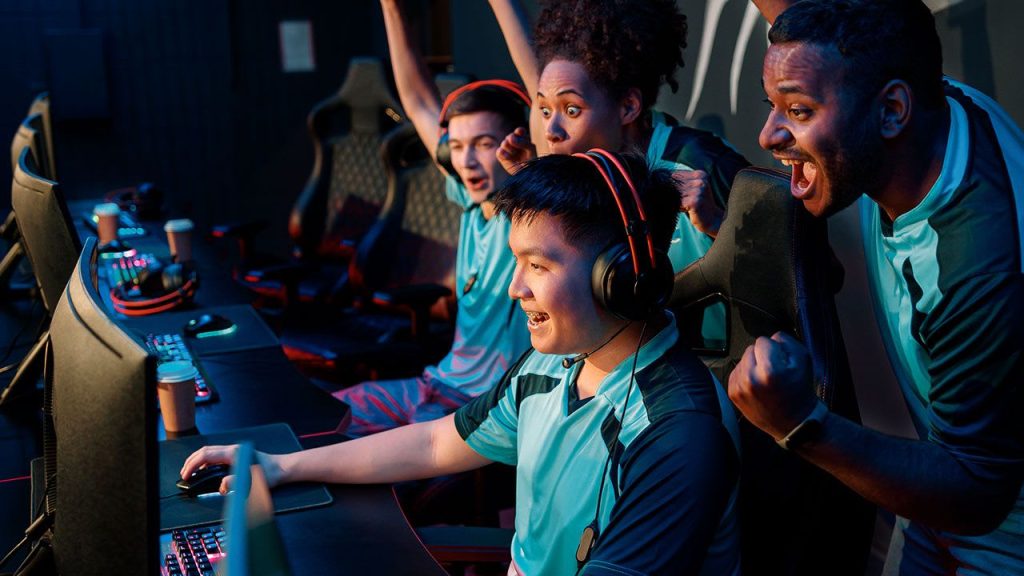
Visual-centric platforms, especially, provide hobbyists with tools to tell their stories through images and videos. An aspiring painter can post a time-lapse video of their work’s progression, garnering enthusiasm and advice from fellow artists worldwide. This real-time interaction not only enhances the creator’s skill set but builds a sense of community among users. For instance, the popular #ArtChallenge on Instagram allows users to participate collectively, providing a structured timeline for creativity while enabling artists to inspire each other through their various interpretations.
Building Communities Through Specialized Platforms
The internet also hosts a plethora of niche forums and communities dedicated to specific hobbies. Websites such as Reddit and specialized Discord servers serve as hubs of knowledge-sharing, where enthusiasts can delve deeper into their passions. The r/knitting subreddit, for instance, boasts a diverse array of topics, from beginner tips to advanced techniques, enabling knitters to collaborate on projects and share resources seamlessly. Such platforms foster an atmosphere of inclusivity and camaraderie, proving that passion knows no boundaries.
- Interactivity: Online forums encourage real-time discussions and instant feedback, allowing hobbyists to ask questions and receive guidance quickly.
- Resource Sharing: Users often share tutorials, ebooks, and tools within these communities that enhance creative endeavors.
- Networking Opportunities: These communities often lead to collaborations and partnerships that might not happen in physical spaces, paving the way for artistic growth.
Moreover, forums often evolve into project incubation centers. For example, a musician might find fellow bands within a local community on these platforms, leading to joint performances and collaborations. Such initiatives not only strengthen individual artistic pursuits but also enhance the overall vibrancy of local creative scenes.
Empowering Artistic Growth with Collaborative Tools
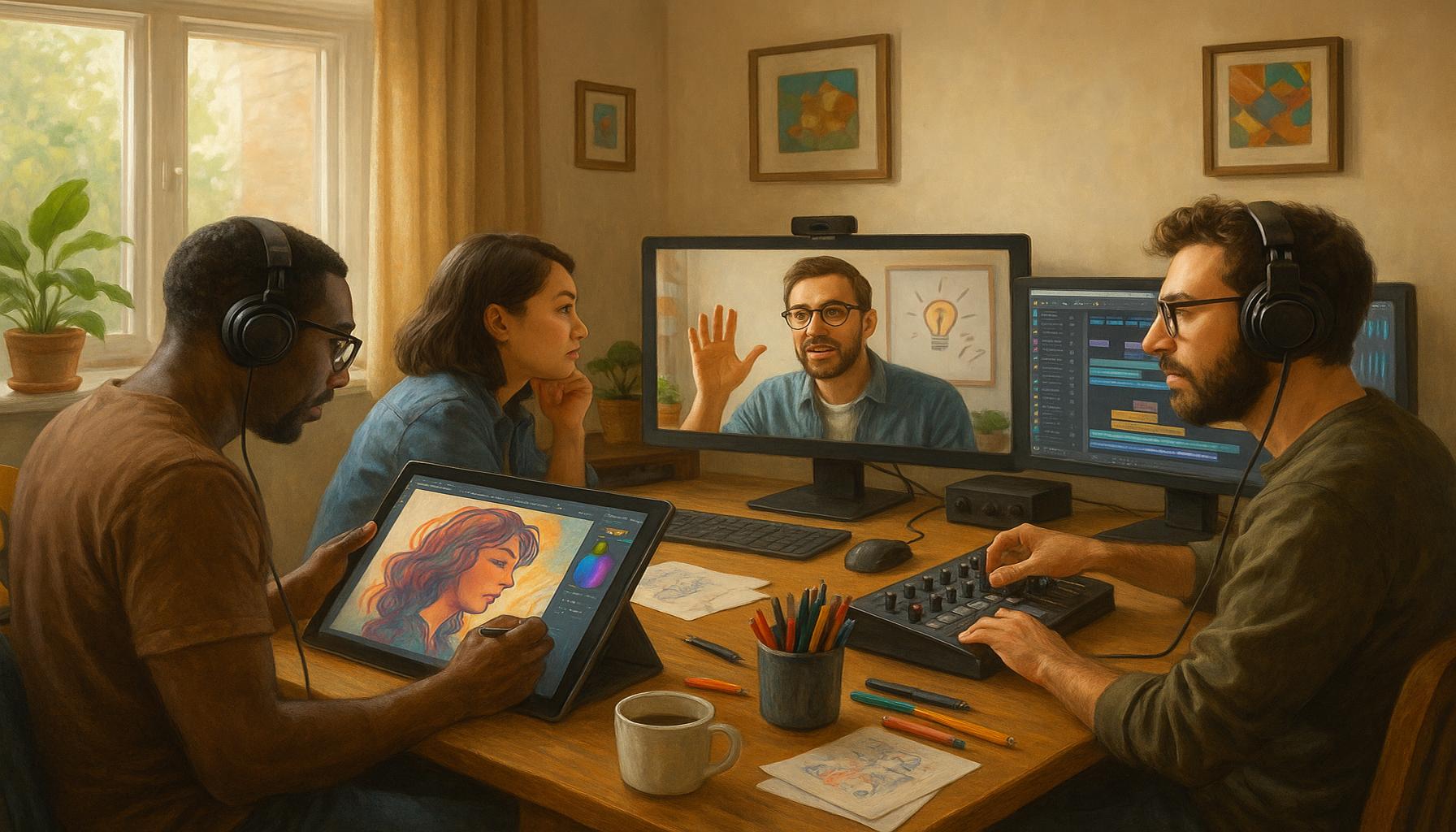
As hobbyists embark on projects, collaborative tools like Google Drive, Trello, and Slack have emerged as essential resources, facilitating effective communication and project management. These online tools allow multiple users to contribute ideas in real-time, streamlining the creative process. Instead of long email threads and attachments, a shared document enables instant updates and efficient brainstorming, fostering more cohesive and innovative outcomes.
The influence of digital platforms on creative collaboration among hobbyists is revolutionary. They are not only enhancing individual skills but are also fostering environments where creativity can thrive collectively. This transformative role invites hobbyists to explore a wealth of opportunities, minimizing boundaries in the pursuit of artistic expression. As these digital communities continue to grow, the landscape of creativity will undoubtedly evolve, reflecting the dynamic nature of collaboration in the modern age.
As the digital landscape evolves, online platforms are rapidly transforming the way hobbyists connect, collaborate, and bring their creative ideas to fruition. From artists to crafters, enthusiasts now have access to a plethora of tools that support their endeavors and expand their creative horizons.
The Power of Community
At the heart of these online platforms is the concept of community. Sites like Facebook groups, Reddit communities, and specialized forums allow hobbyists to share their works, seek feedback, and collaborate. This community-driven approach fosters a sense of belonging and encourages individuals to hone their skills. By participating in discussions and group projects, members can learn from one another, ultimately enhancing their craft. The collaborative spirit often leads to innovation, as diverse perspectives converge.
Access to Resources
Online platforms democratize access to resources that were once limited to local communities. With numerous tutorials, online workshops, and mentorship programs available, hobbyists can easily learn new techniques and tools, irrespective of their geographical location. YouTube has become an invaluable resource for creative tutorials, while platforms like Skillshare offer structured classes designed for different skill levels. This accessibility empowers individuals to pursue their passions more deeply and responsibly.
Showcasing Work and Networking
Additionally, social media platforms such as Instagram and Pinterest provide hobbyists with unique opportunities to showcase their work to a global audience. The visual nature of these platforms allows for instant feedback and can lead to collaboration opportunities across borders. Aspiring artists or crafters can build their portfolios and network, creating connections that they might not have found in their local communities. The visibility gained through these platforms can significantly enhance the chances of turning hobbies into professional ventures.
Marketplaces for Creative Collaborations
Moreover, e-commerce platforms like Etsy and Redbubble facilitate the sale of handmade goods, enabling hobbyists to monetize their skills. This opens doors for collaborative projects, where artists can work together to create unique products. The ability to sell art, crafts, or services harnesses entrepreneurial instincts while nurturing creativity.In conclusion, the rise of online platforms has fundamentally reshaped the landscape for hobbyists, allowing them to engage, grow, and thrive as part of a global community. The fusion of creativity and technology continues to pave the way for unprecedented collaborative efforts among enthusiasts of all kinds.
DIVE DEEPER: Click here to discover more
Unlocking Global Creativity Through Online Platforms
The democratization of creativity is perhaps one of the most profound impacts of online platforms on hobbyists today. With just a few clicks, individuals from various backgrounds can showcase their unique skills, engage with others, and collaborate on projects that transcend geographical barriers. Online marketplaces such as Etsy and Redbubble not only enable artists to sell their creations but also foster a spirit of collective ingenuity. Sellers often collaborate to create themed collections, combining their expertise in crafting, design, and marketing to optimize their reach and appeal.
Moreover, the collaborative nature of these platforms extends beyond mere transactions. For instance, when a jewelry designer partners with a graphic artist to create a cohesive brand aesthetic, both parties benefit from each other’s strengths. This synergistic collaboration is facilitated through online communication tools that support creative brainstorming and project planning, marking a shift towards a more interconnected and collaborative approach to art and craft entrepreneurship.
Highlighting the Power of Crowdsourcing
Crowdsourcing has emerged as another revolutionary concept made accessible by online platforms. This technique allows hobbyists to pool resources, ideas, and skills from a larger community. Platforms like Kickstarter and Indiegogo enable creators to launch projects while receiving funding and feedback from potential supporters. For example, a filmmaker can share their screenplay and seek input from enthusiasts in the film community, leading to enhancements based on collective input before producing the final product. This participatory model not only results in higher quality outputs but also fosters a vested interest in the success of the project among contributors.
- Engagement with Audience: Crowdsourcing invites contributions and feedback from backers, generating excitement and investment in the artistic outcomes.
- Resource Mobilization: By accessing a diverse network of creators and supporters, hobbyists can leverage collective resources, which can lead to better-funded and more ambitious projects.
- Shared Learning: As creators share their journeys, they inspire others, fostering a culture of collective growth and mentorship within the community.
Furthermore, online platforms dedicated to creative challenges—like Adobe Creative Jam or the 48-hour Film Project—promote collaboration by adhering to a competitive yet cooperative spirit. Participants of various skill levels come together not only to compete but to learn from each other. Such environments cultivate camaraderie and drive innovation through collaboration, leading to enriched creative experiences.
Networks of Inspiration and Support
The rise of online mentorship programs further highlights how hobbyists can thrive within creative networks. Platforms like Skillshare and MasterClass offer courses where established artists and creators share their knowledge, often emphasizing collaboration among students through group projects. These platforms create informal meetups or challenges designed to pair up participants with complementary skills for collaboration, allowing hobbyists to gain insight while nurturing supportive relationships.
These networks are invaluable, as they not only provide a wealth of knowledge but also create lasting connections that can lead to future collaborations even beyond the confines of the original project. The ripple effect of fostering friendships and professional relationships through such collaborative endeavors can shape a person’s creative journey significantly in ways that traditional learning methods cannot.
As we explore the multifaceted influence of online platforms on hobbyists, it becomes evident that these digital environments facilitate creative collaborations that are not only innovative but also enriching. By breaking down the silos of individual artistry, online platforms empower creators to harness collective creativity, paving new paths for artistic and personal development.
DIVE DEEPER: Click here to discover the importance of social interaction in art
Conclusion: Embracing the Future of Creative Collaboration
In an increasingly interconnected world, the role of online platforms in facilitating creative collaborations among hobbyists cannot be overstated. These digital spaces have transcended traditional barriers of geography and community, empowering individuals to showcase their talents and connect with like-minded creators. By enabling diverse collaborations—from artistic partnerships to collective funding through crowdsourcing—these platforms foster an environment where creativity can flourish in unprecedented ways.
The ability to engage with a global network allows hobbyists to not only share their ideas but also to gather valuable feedback, enhancing their skills and projects in the process. Moreover, initiatives such as online mentorship programs and creative challenges promote a culture of support and learning, driving innovation and personal growth. As participants share their journeys and insights, they contribute to a rich tapestry of collective creativity that inspires others in the community.
Looking ahead, the potential for these online platforms to evolve further is immense. With advances in technology and an increasing appetite for collaboration, hobbyists will continue to shape and redefine the creative landscape. As we navigate this exciting era of digital creativity, it is essential to explore and utilize these platforms to not only enhance our own artistic endeavors but also to uplift and support the collective vision of creators around the globe. The future of creativity lies in collaboration, and online platforms hold the key to unlocking that potential.