The Role of Social Interaction in Collaborative Art Projects
Unpacking the Dynamics of Cooperative Creativity
In the evolving world of art, social interaction plays a pivotal role in shaping the outcomes of collaborative projects. These creative endeavors thrive on the exchange of ideas and cultural perspectives, leading to innovative expressions that often exceed individual capabilities. Recognizing this can illuminate the intricate dynamics behind artistry and community engagement.
Successful collaborative art projects often incorporate various elements:
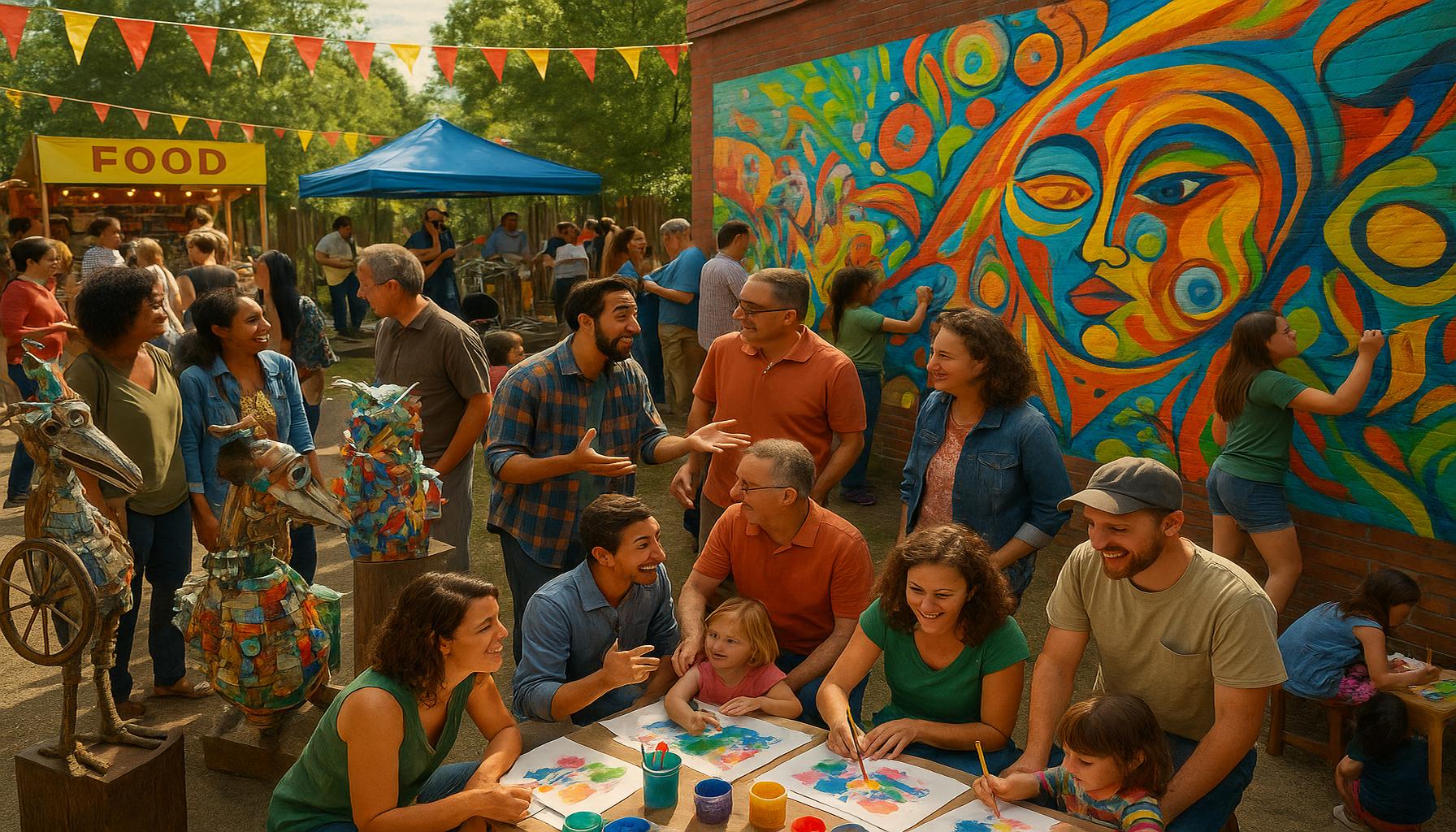
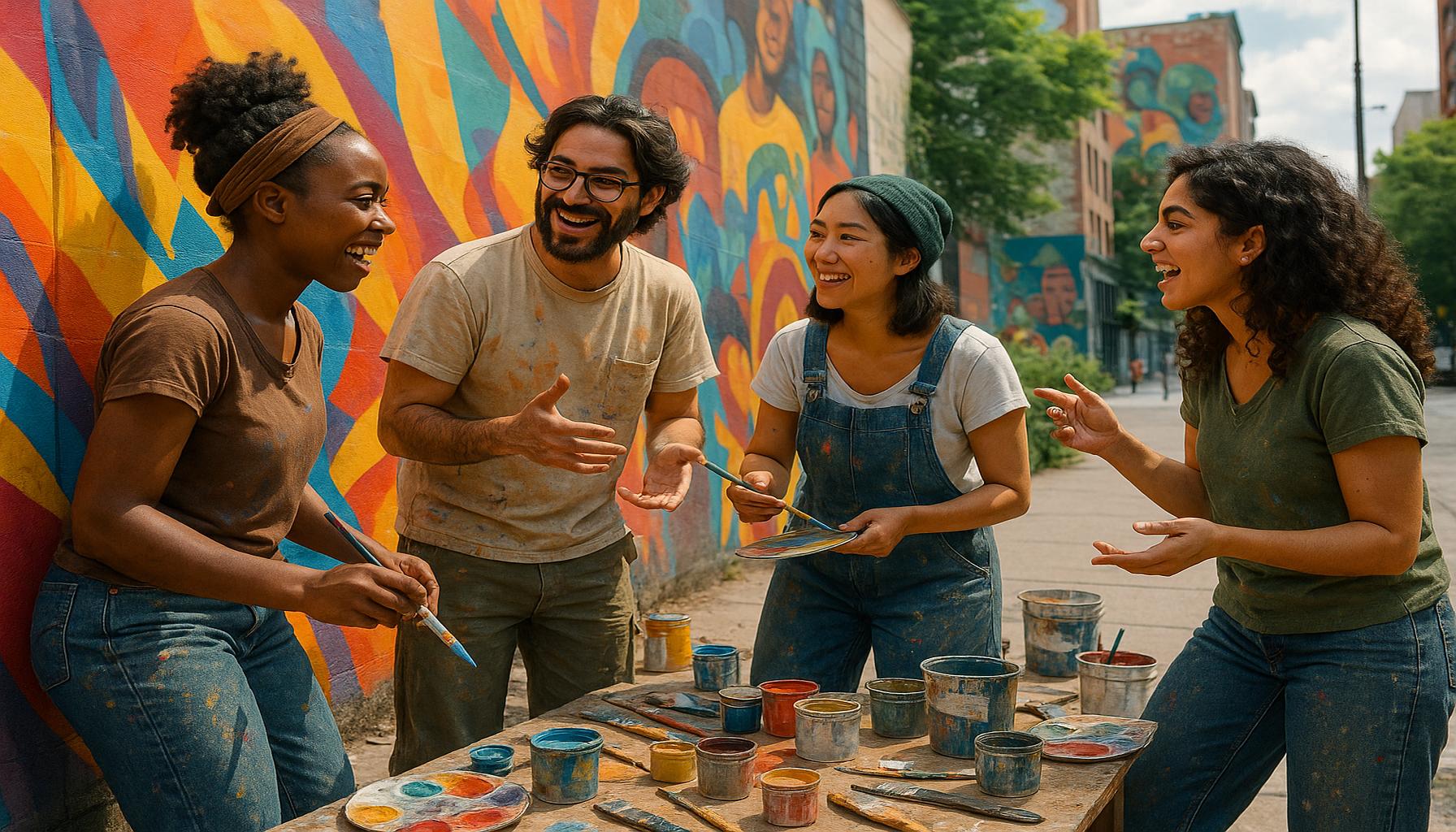
- Communication: Effective communication is essential. Artists must articulate their thoughts, feelings, and artistic visions, weaving these together into a rich tapestry of inspiration. For instance, community mural projects often start with brainstorming sessions where local residents and artists collectively decide on themes that represent their shared history.
- Diversity: A mix of backgrounds and perspectives fosters unique approaches and techniques. In a city like New York, artists from different cultural backgrounds collaborate on projects that blend traditional techniques with contemporary styles, resulting in dynamic works that speak to a multitude of audiences.
- Feedback: Constructive criticism is an important aspect of collaboration. Artists benefit from insights provided by peers, allowing them to explore new dimensions of their work. Collaboration can transform the creative process from a solitary endeavor into a communal experience, reflecting the interests and desires of a wider audience.
Engaging with others not only enhances personal creativity but also cultivates a sense of belonging. This connection is particularly vital in the United States, where community art projects frequently draw on local histories and collective narratives. For example, the “Spirit of Co-Creation” project in Detroit brought together artists and residents to reclaim and beautify abandoned spaces, transforming them into vibrant areas for community gathering and expression.
The essence of art transcends its final product; it lies in the relationships formed during the creative process. These interactions often result in unexpected outcomes, pushing the boundaries of traditional artistic norms. By studying the role of social interaction in artistic collaboration, we can uncover stories and innovations that challenge the conventional definitions of art itself.
As more communities engage in cooperative art projects, the potential for cultural exchange grows exponentially. The energy fostered in these environments can lead to a greater understanding and respect for diverse perspectives, ultimately enriching the cultural fabric of society. Thus, the exploration of collaborative art is not just about enhancing individual expression; it is also about fostering a community connection that honors and celebrates the multifaceted nature of human creativity.

DISCOVER MORE: Click here to uncover the psychological benefits of creative hobbies
Building Networks of Creativity and Communication
In the realm of collaborative art projects, the importance of social interaction cannot be overstated. Creative collaboration often leads to the formation of networks that not only inspire but also challenge artists to expand their horizons. These networks are formed through sustained conversations, shared experiences, and collective problem-solving, which smudge the boundaries of individual artistic endeavors, creating a collective voice that resonates deeply with a wider audience.
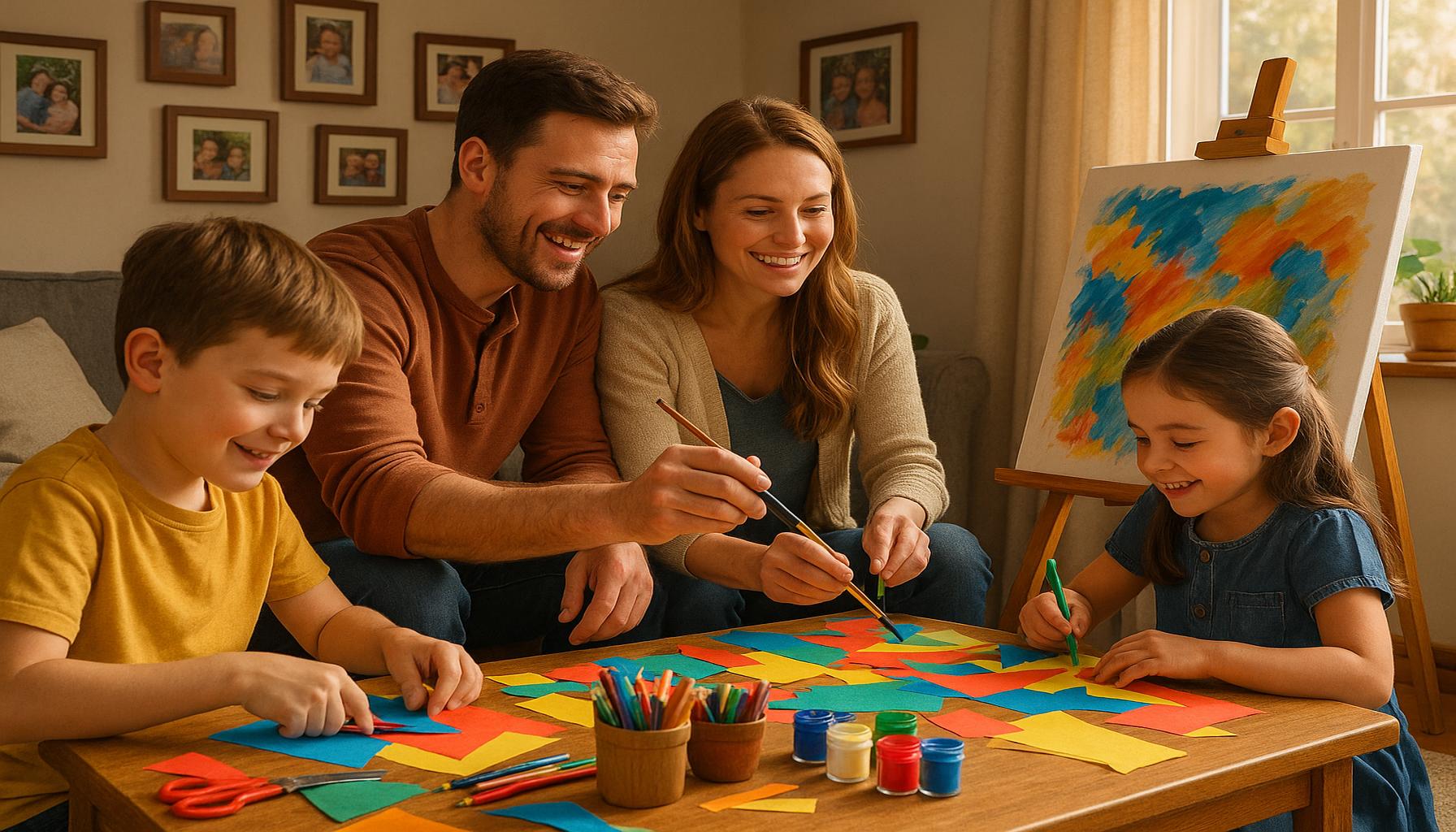
Artistic collaboration can take many forms, from community theater productions to intergenerational craft fairs. The nature of the interactions among participants largely dictates the success of these initiatives. Here are a few ways social interaction enhances collaborative artistic projects:
- Shared Vision: A successful collaborative project begins with a shared vision among participants. This means engaging in deep dialogues about the intended message and aesthetic. For instance, during a community mosaic project, members gather to discuss themes reflective of their neighborhood’s history, resulting in artwork that merges their unique narratives into a singular expression.
- Role Assignments: Clearly defined roles help streamline the creative process. When artists and community members understand their responsibilities, members feel empowered and included. For example, in youth-led art initiatives, older mentors might take on supervisory roles, while younger participants contribute fresh ideas and energy. This exchange builds leadership and encourages participation across age groups.
- Social Bonds: The relationships forged in collaborative settings extend beyond mere project completion. Artists and community members develop social bonds that can foster future collaborations. Attending workshops or pop-up exhibits together establishes camaraderie, further rooting the art project within social discourse.
Moreover, the benefits of social interaction extend to the emotional health of the participants. Collaborating on art projects can create a sense of belonging and shared purpose, particularly in communities facing social challenges. For instance, art therapy groups have shown remarkable success in helping marginalized individuals express trauma and resilience through shared creativity. These settings engage participants in dialogue not only about the art being created but also about their lived experiences, deepening understanding and empathy.
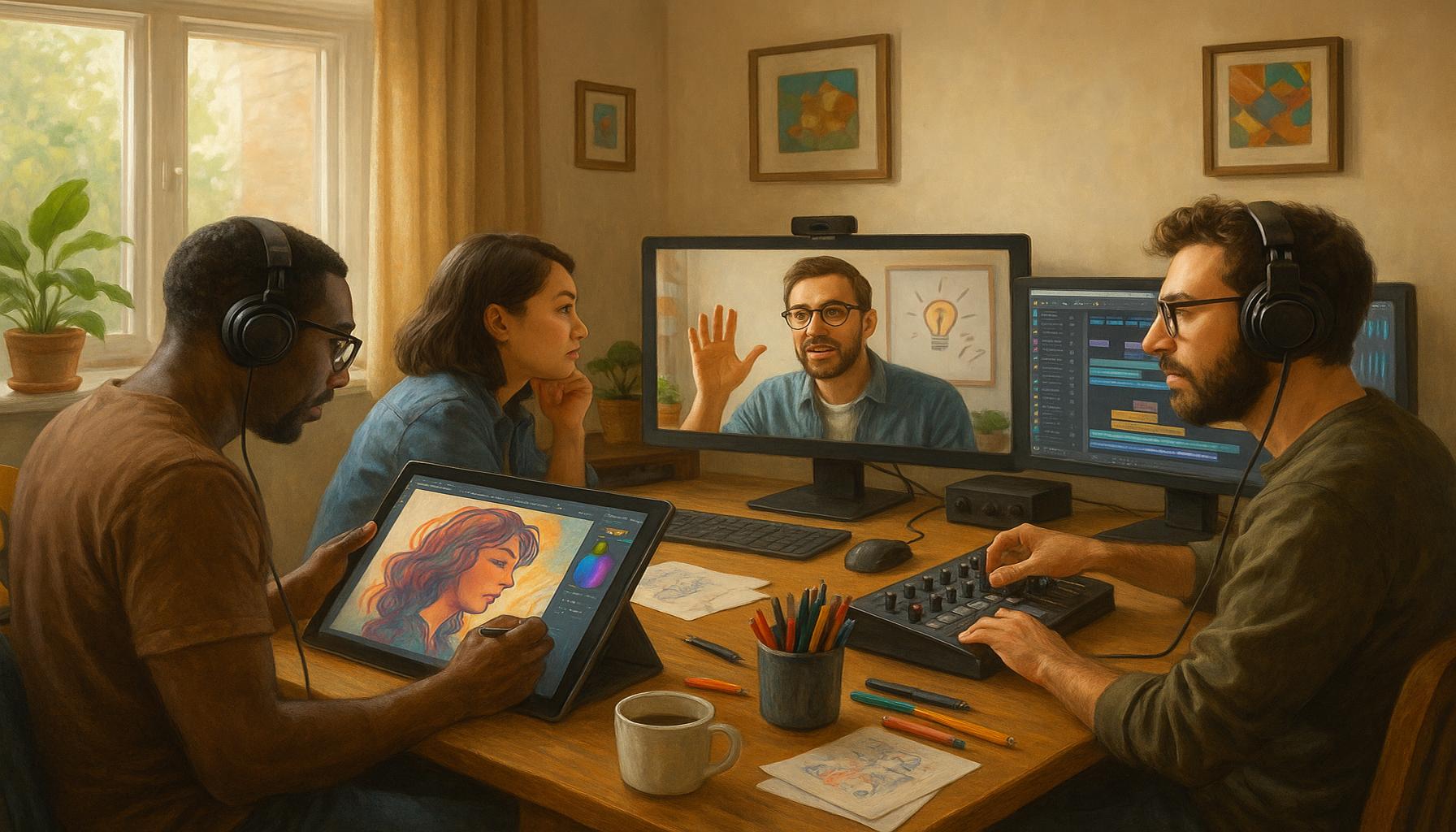
As technology advances, the landscape of collaborative art continues to evolve. Digital platforms provide artists with opportunities to connect across vast distances, facilitating global discussions that can lead to innovative and culturally rich outputs. A prime example of this can be seen in online collaborative art movements, where diverse groups engage in virtual workshops to create joint masterpieces. These interactions demonstrate how social dynamics transcend geographical boundaries, uniting artists around common themes and experiences.
Understanding the significant aspects of social interaction in collaborative art projects provides insights into their transformative power. By focusing on building trust, communication, and inclusivity, artists and communities can harvest the collective creativity that emerges when diverse minds work together, ultimately enriching the cultural vibrancy of the society in which they dwell.
| Advantage | Description |
|---|---|
| Enhanced Creativity | Collaboration fosters a dynamic exchange of ideas, allowing artists to explore new perspectives and push the boundaries of their creativity. |
| Community Building | Social interaction in art projects creates networks that enrich the cultural fabric, encouraging participation and dialogue among diverse groups. |
In collaborative art projects, social interaction acts as a catalyst for both personal and collective growth. Artists often find that engaging with peers enhances their creative output, as they are inspired by each other’s work and methodologies. This exchange of ideas is not merely about inspiration; it involves a critical dialogue that challenges artists to refine their visions and develop their skills.Moreover, the sense of community formed through these projects can promote an inclusive environment where diverse voices are heard. Social interaction encourages both established and emerging artists to come together, forging connections that can lead to future collaborations. These partnerships are not limited to artists alone; they often extend to patrons, critics, and the wider community, creating a vibrant scene that celebrates artistic expression in all its forms.The benefits of such interactions are profound, often resulting in art that is not only innovative but also deeply reflective of the human experience. As collaborative projects continue to thrive, it is clear that social interaction remains a pivotal element in shaping the future of art.
DIVE DEEPER: Click here to uncover the benefits of creative hobbies
Cultivating Inspiration Through Diverse Perspectives
The influence of social interaction in collaborative art projects also lies in the rich tapestry of diverse perspectives that participants bring to the table. Each artist or community member carries their unique history, cultural background, and worldview, providing a plethora of ideas and interpretations that enrich the collaborative process. This diversity not only fuels creativity but also serves as a powerful catalyst for social change.
One illuminating example can be seen in the ever-evolving world of public murals. Initiatives such as the Boards of Change project in various urban areas engage local artists and neighborhood residents to create large-scale artworks that reflect community aspirations and struggles. Through discussions and workshops, participants share personal stories that shape the mural’s design, resulting in a powerful visual statement that echoes the community’s collective identity. Such projects highlight how social interaction can transform raw artistic expressions into profound commentaries on societal issues.
Additionally, art collectives that embrace diverse voices often witness an increased sense of ownership among participants. By actively involving community members in the decision-making process, artists not only amplify the voices of the marginalized but also encourage a sense of responsibility towards the final project. For example, the Art and Resistance Exhibition, which features works from various marginalized groups, allows creators to voice their struggles while reinforcing the idea that art is an effective means of advocacy. The partnerships formed through these interactions can lead to sustained support networks, further motivating artists to continue pushing boundaries in their work.
Moreover, the role of social interaction extends beyond the immediacy of the collaborative project. Networking events, artist residencies, and creative think tanks serve as vital venues for ongoing dialogue. These gatherings create an environment conducive to knowledge exchange and skill building, ultimately leading to the emergence of innovative practices. Initiatives like Open Studio Art Events bring together various artists to showcase their work and provide feedback in real-time, fostering an atmosphere of encouragement that results in continued artistic growth.
Social media platforms, such as Instagram and Facebook, have also transformed how artists interact, collaborating across unseen boundaries. Virtual galleries and online artist communities allow for an instant exchange of ideas, techniques, and resources, fostering a global network of creative practitioners. The participatory art movement, which often thrives on social media, exemplifies this paradigm by inviting audiences to engage actively with the art of others, promoting dialogues that transcend traditional gallery spaces.
In examining the profound influence of social interaction in collaborative art projects, it becomes increasingly clear that the interplay of diverse backgrounds, ongoing dialogue, and continuous support fosters a fertile environment for artistic innovation. These initiatives serve not only as platforms for creation but as points of connection within communities, allowing participants to engage with art as both a personal and shared narrative.
DISCOVER MORE: Click here to learn about the psychological benefits of creative hobbies
Conclusion: The Transformative Power of Connection in Art
In conclusion, the exploration of social interaction within collaborative art projects reveals its undeniable capacity to inspire, unite, and empower communities. By fostering an environment where diverse perspectives converge, these projects not only stimulate creativity but also serve as vital conduits for social change. Initiatives like public murals and community exhibitions illustrate how shared narratives can encapsulate a collective identity, challenging societal norms and advocating for marginalized voices.
Furthermore, the ongoing dialogue facilitated through networking events, artist residencies, and online platforms highlights the persistent nature of these interactions, extending their impact beyond individual projects. As artists and community members exchange ideas and experiences, they cultivate lasting relationships that lay the groundwork for future collaborations and initiatives. The digital realm, in particular, has reshaped how artists connect, democratizing access to creative exchanges and amplifying artistic dialogues across geographical boundaries.
Ultimately, the role of social interaction in collaborative art projects acts as a catalyst for both personal and communal growth. As these projects continue to thrive, they not only illuminate the importance of inclusivity and collective storytelling but also encourage us to reimagine the role of art in addressing contemporary issues. In embracing collaboration, the art world can further enrich its narrative, transforming art into a profound vehicle for inspiration and societal reflection.