Strategies to Combat Stress with Balanced Nutrition

Understanding the Connection Between Nutrition and Stress
With the demands of modern life, it’s no surprise that stress has emerged as a common issue affecting millions of people across the United States. Our busy schedules and constant connectivity often leave little room for relaxation and self-care. However, one of the most effective tools we can utilize in managing stress lies within our diet. Balanced nutrition is not just about physical health; it profoundly influences our mental well-being.
To grasp why nutrition matters so much, consider how certain foods affect our brain chemistry. Foods rich in vitamins and nutrients can enhance our mood, while others may lead to fluctuations in our mental state. This means choosing the right foods can be a form of proactive self-care. Here are some crucial aspects to consider:
- Whole Foods: Emphasizing a diet rich in fruits, vegetables, whole grains, and lean proteins has substantial benefits. For instance, leafy greens like spinach and kale are packed with magnesium, which has been shown to help alleviate anxiety. Incorporating fiber-rich foods like quinoa and brown rice can also stabilize mood by regulating blood sugar levels.
- Healthy Fats: Fatty acids found in foods such as avocados, walnuts, and salmon contribute to brain health. Omega-3 fatty acids, in particular, have been linked to a reduced risk of depression and improved mood. Regularly including these sources in meals can support overall mental wellness.
- Hydration: Maintaining proper hydration is vital for mental clarity and energy. Inadequate water intake can lead to fatigue and irritability. Aim for at least eight glasses of water a day, and consider hydrating foods like cucumbers and oranges to enhance your daily intake.
- Stabilize Blood Sugar: Consuming sugary snacks can lead to critical drops in energy, causing irritability and stress. Instead, focus on complex carbohydrates like sweet potatoes or legumes that provide a steady release of glucose, helping to sustain energy throughout the day.
By understanding the connection between nutrition and mental health, individuals can empower themselves to make better dietary choices. Simple modifications in what we eat can result in significant benefits for our stress levels. For example, integrating a daily smoothie packed with berries and spinach or switching to a whole grain bread can be an excellent start toward improved mental resilience.
As we continue to explore this relationship, it becomes evident that a well-balanced diet can pave the way for a calmer, more balanced life. Not only do these dietary strategies support physical health, but they also foster a robust mindset capable of tackling life’s challenges. Embracing nutritional adjustments is not simply a lifestyle change, but rather an investment in one’s overall well-being.
Nutritional Strategies for Stress Reduction
Effective stress management encompasses a conscious approach to nutrition, as the food we consume significantly impacts our mental well-being. By adopting well-planned eating habits, we can support both our body and mind in combating stress. Below are several detailed strategies to integrate into your daily routine.
- Prioritize Regular Meals: Maintaining a consistent meal schedule is crucial for regulating blood sugar levels, as skipping meals can lead to dips that intensify feelings of stress and anxiety. Aiming for three balanced meals each day helps stabilize mood. For example, consider incorporating grilled chicken served with brown rice and a side of steamed vegetables. The protein from the chicken provides amino acids that can enhance neurotransmitter function, while the complex carbohydrates in brown rice release energy slowly, helping maintain a stable blood sugar level. Alternatively, a hearty lentil soup, rich in iron and fiber, can be both nourishing and comforting.
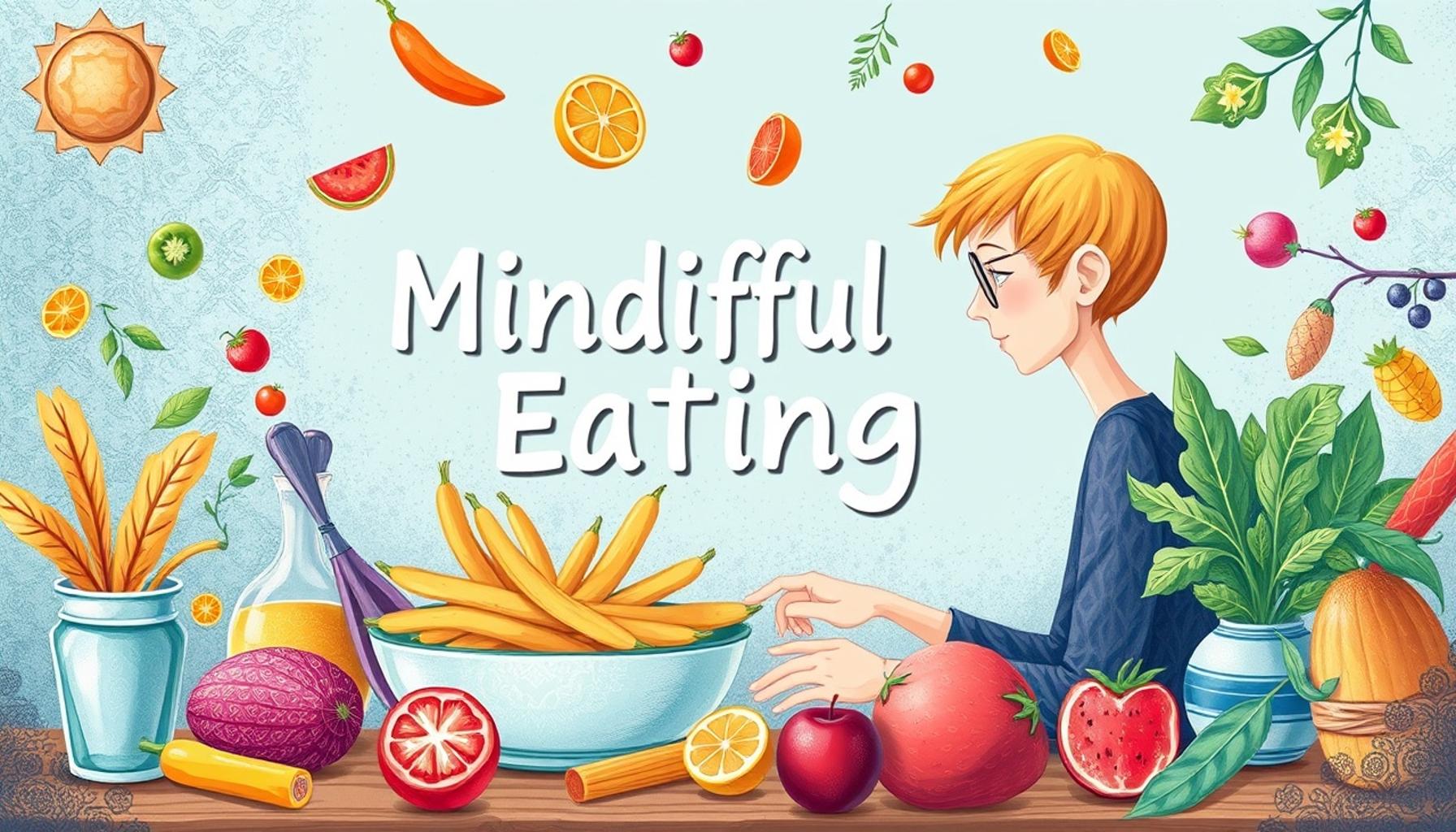
- Mindful Eating: In today’s fast-paced environment, many individuals eat hurriedly, which can detrimentally affect digestion and heighten stress levels. Practicing mindful eating encourages you to slow down, savor each bite, and appreciate the sensory aspects of food. Try setting aside a few minutes during meals to focus solely on your food—observe its colors, smell its aromas, and enjoy the textures. This practice not only enhances digestion but also fosters a healthier relationship with food, reducing anxiety associated with eating.
- Include Nutrient-Rich Snacks: A healthy snack can be more than a quick bite; it can also serve as a strategic tool against stress. Instead of reaching for sugary or processed options, consider snacks that offer nutritional benefits. Foods like almonds provide healthy fats and magnesium, which play a role in regulating stress hormones. Greek yogurt with fresh fruit is another excellent choice, delivering protein and probiotics that can improve gut health, thereby positively impacting mood. Furthermore, vegetable sticks paired with hummus can add crunch and essential vitamins while keeping your energy levels stable throughout the day.
- Plan Ahead: Meal planning is a proactive approach that can alleviate the stress of last-minute food choices. By dedicating time each week to organize meals and snacks, you can ensure a diet rich in stress-relieving nutrients. Preparing and cooking meals in advance also creates a sense of accomplishment and control, which can be particularly beneficial during overwhelming periods. Utilize a planner or digital app to keep your grocery list organized, and consider batch cooking items like soups or casseroles that can be easily reheated.
Incorporating these strategies can markedly improve how you manage stress in your daily life. For example, keeping a supply of healthy snacks on your desk can buffer against the typical mid-afternoon slump, enabling you to maintain focus and energy levels during demanding hours.
However, it’s also vital to recognize that nutritional needs can vary significantly from person to person. Engaging in self-experimentation—such as adjusting your diet and observing changes in your mood and energy—can provide personalized insights. Perhaps you discover that incorporating more omega-3-rich foods, like salmon or chia seeds, elevates your mood or that drinking green tea helps calm your nerves.
By embracing these dietary strategies, you can lay a strong foundation for both physical health and emotional resilience. As you navigate the daily demands of life, understand that managing stress through nutrition is an ongoing journey. Every meal presents a new opportunity to renew your commitment to a balanced lifestyle and foster a calm existence amidst chaos.
| Category | Benefits |
|---|---|
| Whole Foods | Whole foods, such as fruits and vegetables, provide essential nutrients that help reduce stress levels and enhance overall well-being. |
| Hydration | Staying hydrated is crucial for maintaining mental clarity and reducing feelings of fatigue caused by stress. |
| Protein Intake | Incorporating protein-rich foods helps stabilize blood sugar levels, which can prevent mood swings and help manage stress more effectively. |
| Mindful Eating | Practicing mindful eating encourages individuals to savor their meals, fostering a calming effect during stressful moments. |
Exploring the strategies of balanced nutrition reveals a wealth of approaches that not only combat stress but also promote overall health. Whole foods are at the forefront as they offer essential nutrients, whereas staying hydrated can significantly lift your mood. Don’t underestimate the power of protein; its role in stabilizing blood sugar levels serves as a great ally against stress-induced anxiety. Finally, implementing the practice of mindful eating transforms meals into moments of tranquility, allowing for a more profound connection with your food. By engagedly exploring these strategies, you can genuinely unlock a nourishing path to reducing stress.
Essential Nutrients for Stress Management
Recognizing the intricate relationship between nutrition and mental health, it’s essential to delve deeper into specific nutrients that can play a vital role in combating stress. Incorporating a range of nutrient-dense foods not only bolsters physical health but also supports mental clarity and emotional stability.
- Omega-3 Fatty Acids: Often heralded for their myriad health benefits, omega-3 fatty acids are particularly influential in reducing stress and anxiety levels. Found in fatty fish such as salmon, mackerel, and sardines, these essential fats support brain health by enhancing neuronal function and regulating mood. For those who prefer plant-based options, walnuts and flaxseeds are rich in alpha-linolenic acid (ALA), a type of omega-3 that can also contribute positively to mental health.
- B Vitamins: This group of vitamins, including B1, B2, B6, B9, and B12, plays a critical role in maintaining a healthy nervous system. They are instrumental in energy production and the synthesis of neurotransmitters that regulate mood. Foods rich in B vitamins include whole grains, leafy greens, eggs, and legumes. A well-balanced breakfast of oatmeal topped with strawberries or a spinach and egg omelet can provide an excellent start to the day, directly influencing your stress levels.
- Magnesium: Often dubbed the “stress mineral,” magnesium is essential for over 300 biochemical reactions in our bodies. Its calming properties help mitigate the effects of stress and anxiety. Rich sources of magnesium include dark chocolate, nuts (especially almonds and cashews), leafy green vegetables, and whole grains. Incorporating a square of dark chocolate into your evening routine can serve as both a treat and a stress-relief strategy, bringing joy while promoting relaxation.
- Antioxidants: Foods rich in antioxidants combat oxidative stress in the body, which can exacerbate feelings of anxiety and stress. Colorful fruits and vegetables, such as berries, oranges, spinach, and bell peppers, are loaded with vitamins that can enhance your body’s defense system against stress. A vibrant fruit salad or a mixed vegetable stir-fry can create an enjoyable and visually appealing way to boost your antioxidant intake.
In addition to these essential nutrients, staying properly hydrated is crucial for maintaining energy levels and mental clarity. Dehydration can lead to increased stress and fatigue, so drinking adequate water throughout the day is vital. Consider flavoring your water with slices of lemon or cucumber to make hydration more enjoyable.
Using Herbs and Spices to Combat Stress
Incorporating various herbs and spices not only enhances the flavor of your meals but can also provide significant health benefits that may help reduce stress levels. Many traditional remedies boast potent properties known to promote relaxation and emotional well-being.
- Turmeric: Known for its anti-inflammatory properties, turmeric contains curcumin, which has been shown to improve mood and reduce symptoms of anxiety. Adding turmeric to soups, smoothies, or golden milk offers a flavorful way to reap its benefits.
- Chamomile: Often consumed as a calming herbal tea, chamomile can support relaxation and improve sleep quality. Integrating chamomile tea into your evening routine can unwind your body and mind after a long day.
- Lavender: Alongside its delightful aroma, lavender is renowned for its ability to promote relaxation. Whether through cooking with lavender-infused oil or using it in herbal teas, the gentle notes of lavender can create a serene atmosphere conducive to reducing stress.
- Ginger: This versatile root can aid digestion and boost immune health, both of which are crucial during stressful periods. Fresh ginger can be used in stir-fries, smoothies, or brewed in tea for a refreshing boost.
By understanding and implementing these nutrient-focused strategies into your daily routine, you can empower yourself with effective tools to combat stress. The pathway to emotional resilience begins with thoughtful nutrition as a companion in your wellness journey.
Conclusion
In today’s fast-paced world, the significance of balanced nutrition in combating stress cannot be overstated. As we’ve explored throughout this article, adopting a holistic approach that includes essential nutrients, hydration, and the strategic use of herbs and spices can create a robust framework for emotional resilience. Emphasizing foods rich in omega-3 fatty acids, B vitamins, magnesium, and antioxidants equips your body with the necessary tools to navigate the challenges of daily life.
Moreover, it’s essential to appreciate the impact of incorporating calming herbs like turmeric, chamomile, lavender, and ginger into your dietary practices. Not only do these natural ingredients enrich flavors in your meals, but they also offer profound benefits for your mental well-being. The idea of treating nutrition as a form of self-care transcends the conventional understanding of healthy eating—transforming it into a powerful ally against stress.
In the quest for well-being, remember that staying hydrated plays an equally vital role. The simplicity of exchanging sugary drinks for water infused with fruits can yield remarkable changes in your energy levels and mental clarity. Encourage yourself to explore culinary diversity, foster your creativity in the kitchen, and, above all, listen to your body’s needs.
Through intentional food choices and mindful eating habits, you can actively engage in a lifestyle that not only combats stress but also enriches your overall quality of life. As you embark on this journey, consider each meal an opportunity to nourish your body and mind, allowing you to thrive in the face of stress.