The Benefits of Sleep Hygiene for Stress Relief
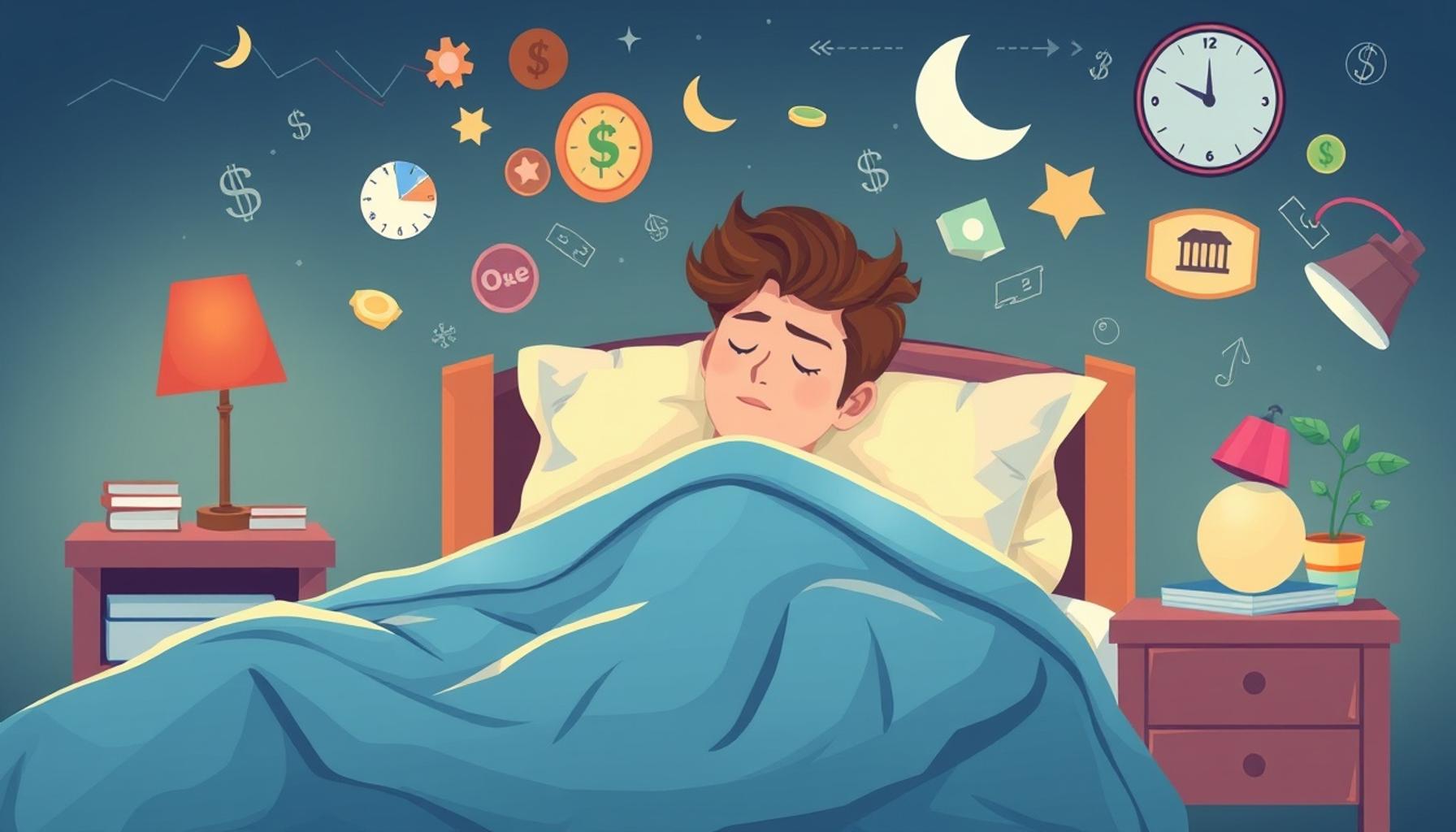
Unlocking the Secrets to Optimal Sleep Hygiene
In a world that never sleeps, finding the right balance between work, social commitments, and personal health is an ongoing struggle for many. Sleep, a fundamental element of our well-being, often gets relegated to the sidelines as people prioritize their busy schedules. However, integrating sleep hygiene into your daily routine can revolutionize not only your quality of sleep but also your overall mental health. Managing stress through effective sleep practices has become increasingly vital in modern life.
Good sleep hygiene encompasses a series of habits and environmental factors that collaborate to enhance sleep quality significantly. Here are some essential components:
- Consistent sleep schedule: Establishing a routine where you go to bed and wake up at the same time daily helps synchronize your body’s circadian rhythm. This consistency signals your body when it’s time to wind down, resulting in a deeper and more restorative sleep. For example, if you aim to rise at 6:30 AM, try to hit the hay by 10:30 PM, allowing for a solid eight hours.
- Sleep-friendly environment: Creating a sanctuary for sleep can transform your nights. A darkened room, free from noise and distractions, allows your body to more easily enter the crucial stages of sleep. Consider investing in heavy curtains or blackout shades, along with a white noise machine or earplugs if necessary, to block out external disturbances.
- Limiting screen time: The blue light emitted from screens can inhibit melatonin production, which is essential for sleep regulation. It is advisable to disconnect from all electronic devices at least an hour before bed. Instead, indulge in calming activities, such as reading a book or practicing gentle yoga, to prepare your mind for a restful night.
Prioritizing these elements of sleep hygiene does not merely enhance your sleep quality; it also fosters better mental health. Research has consistently shown a strong link between sleep quality and stress management. Those who adopt healthy sleep habits often report:
- Reduced anxiety: Quality sleep empowers individuals to cope more effectively with the daily stressors of life. Those who struggle with sleep often fall prey to heightened anxiety levels, exacerbating their stress.
- Improved mood: Engaging in good sleep hygiene can significantly elevate emotional well-being. Well-rested individuals tend to have sharper emotional regulation, allowing them to approach challenges with a more positive outlook.
- Enhanced cognitive function: A good night’s sleep is imperative for optimal brain function. Attention span, decision-making, and memory retention are all significantly benefited by quality sleep, making you more productive during the day.
Understanding and implementing the tenets of sleep hygiene can equip you with valuable tools to tackle stress head-on. By making a few conscious adjustments to your sleep habits and environment, you may find not just improved sleep but also a pathway to a more balanced and fulfilling life. Delving deeper into this topic could reveal even more strategies to enhance your sleep and overall well-being, making it a worthwhile journey for everyone navigating the demands of modern life.
The Science Behind Sleep Hygiene and Its Impact on Stress
As we navigate the intricate demands of our everyday lives, sleep often becomes the first casualty of our chaotic schedules. However, the significance of sleep hygiene can no longer be overlooked, especially when it comes to managing stress effectively. Research indicates that establishing a solid foundation of sleep practices can bring about an impressive array of benefits that extend far beyond simply catching some shut-eye. Let’s explore how honing your sleep habits can serve as a powerful weapon against stress.
To understand this relationship, it’s essential to grasp how sleep affects our physiological and psychological states. A well-regulated sleep pattern plays a crucial role in the body’s stress response. When we’re overworked or overwhelmed, our bodies produce stress hormones like cortisol. Conversely, a good night’s sleep has been shown to lower cortisol levels, helping us regain control over our emotional and physical states.
Here are some compelling ways in which prioritizing sleep hygiene can directly contribute to stress relief:
- Enhanced Relaxation: A consistent sleep schedule allows your body to enter a state of relaxation more effectively. As you cultivate a pattern of falling asleep and waking up at similar times, your body learns to recognize cues that indicate it’s time to rest. This sense of routine may help ease the tension built up throughout the day.
- Reduced Negative Thinking: Sleep is critical for thinking clearly and managing emotions. Insufficient sleep can lead to increased rumination and negative thinking patterns, which exacerbates stress. By improving your sleep quality, you give your mind the opportunity to reset and approach challenges with a clearer, more positive outlook.
- Physical Health Benefits: Quality sleep is vital for a well-functioning immune system and reducing chronic illnesses, both of which contribute to stress levels. When your body is well-rested, it better withstands the physical effects of stress, allowing you to handle daily challenges with more resilience.
Moreover, prevailing scientific literature supports the idea that sleep hygiene is a proactive rather than reactive approach to stress management. Engaging in sleep-friendly practices today can arm you against stressors tomorrow. Studies show that individuals who adhere to good sleep hygiene tend to experience lower overall levels of stress and improved coping strategies for challenging situations.
Consider that major life events and everyday challenges can disrupt sleep patterns. By implementing sleep hygiene strategies, you position yourself to maintain better emotional regulation, even when faced with pressures that would typically lead to heightened stress levels. With continued emphasis on sleep hygiene, you can cultivate a greater sense of peace and well-being, serving as a buffer against life’s unpredictability.
As we delve deeper into specific sleep hygiene practices that can add value to your stress management toolkit, it becomes increasingly evident that nurturing your sleep may well offer the most straightforward and effective path to overall health and wellness.
| Advantages of Sleep Hygiene | Impact on Stress Relief |
|---|---|
| Improved Sleep Quality | Enhances mood and emotional stability, allowing for better day-to-day functioning. |
| Establishing a Sleep Routine | Regulates the body clock, leading to reduced anxiety levels and better stress management. |
| Creating a Sleep-Friendly Environment | Minimizes distractions, promoting deeper sleep which aids in stress relief and rejuvenation. |
| Avoiding Sleep Disruptors | Reduces irritability and enhances cognitive function, making it easier to cope with stressful situations. |
Practical Sleep Hygiene Strategies for Stress Management
While understanding the science behind sleep hygiene provides a solid foundation, translating that knowledge into actionable strategies is where the real benefits are realized. By integrating specific sleep hygiene practices into your daily routine, you can significantly enhance your sleep quality and, in turn, your ability to manage stress effectively.
One of the most pivotal practices in ensuring a good night’s sleep is adhering to a consistent sleep schedule. Going to bed and waking up at the same time each day—even on weekends—helps regulate your body’s internal clock. This consistency leads not only to improved sleep quality but also allows for more stable mental health, reducing the emotional swings often associated with stress.
Another essential component is the establishment of a bedtime routine. Engaging in calming activities before sleep, such as reading or practicing gentle yoga, signals to your body that it’s time to wind down. This transition period helps prepare both your mind and body for rest, reducing the likelihood of racing thoughts that can exacerbate stress. Additionally, minimizing screen time an hour before bedtime can significantly improve sleep quality, as the blue light emitted from devices interferes with melatonin production, the hormone responsible for sleep.
The impact of your sleeping environment cannot be overstated. Creating a sleep-conducive atmosphere plays a critical role in enhancing sleep hygiene. Begin by ensuring that your bedroom is dark, quiet, and cool. Consider using blackout curtains to block out any light pollution—especially relevant in urban environments where city lights never truly turn off. Furthermore, explore sound machines or white noise apps to mask disruptive sounds that may otherwise awaken you at night.
Diet and lifestyle choices also influence sleep quality and stress levels. For instance, avoiding large meals, caffeine, and alcohol close to bedtime can facilitate better sleep. Caffeine and alcohol can interfere with the sleep cycle, while heavy evening meals may lead to discomfort during the night. Emphasizing a balanced diet rich in fruits, vegetables, whole grains, and lean proteins will nourish your body, thus helping to stabilize energy levels throughout the day and prevent stress-induced cravings.
Another practical strategy is to incorporate mindfulness practices into your daily routine, particularly before sleep. Techniques like deep breathing, meditation, or progressive muscle relaxation are valuable tools for reducing stress. Research from the American Psychological Association underscores that mindfulness not only helps improve sleep quality but also contributes to lowering stress levels by promoting emotional regulation and relaxation.
It is also worth noting that physical activity plays a significant role in overall sleep hygiene. Engaging in regular exercise—whether it’s a brisk walk in the park or a more intense workout—can enhance sleep patterns and increase the duration of deep sleep, known to be restorative. However, it’s important to time your workouts effectively; exercising too close to bedtime can have the opposite effect, boosting adrenaline levels and hindering your ability to wind down.
Incorporating these sleep hygiene practices into your lifestyle can yield profound effects on your ability to manage stress. Creating a personalized sleep hygiene plan allows you to capitalize on sleep as a powerful resource for emotional and physical health, empowering you to face life’s challenges with greater resilience.
Conclusion: Unlocking the Path to Stress Relief Through Sleep Hygiene
In a fast-paced world where stress is an omnipresent challenge, the importance of sleep hygiene cannot be overstated. By implementing a structured approach to sleep, individuals can unlock a myriad of benefits that extend far beyond mere rest. From enhancing mental clarity to stabilizing emotional health, practicing good sleep hygiene serves as a powerful antidote for stress.
Establishing a consistent sleep schedule and nurturing a calming bedtime routine are fundamental tenets that support not only restorative sleep but also emotional resilience. Such practices enable individuals to confront daily stressors with renewed energy and focus. Furthermore, tailoring your sleeping environment to promote optimum conditions—dark, quiet, and cool—can dramatically enhance sleep quality, allowing the body to recover effectively from daily stressors.
Equally important is the role of mindfulness and physical activity in fostering a healthier sleep experience. By integrating mindfulness techniques to calm the mind before bedtime and maintaining an active lifestyle, one can significantly reduce stress levels while promoting a more restful night’s sleep. Additionally, a thoughtful approach to nutrition, limiting caffeine and heavy meals near bedtime, supports both sleep and stress management.
Ultimately, the journey to improved sleep hygiene is a personal one, requiring self-awareness and commitment. As you embark on this path, you may find that enhancing your sleep can lead not just to better rest, but also to a profound transformation in how you handle stress. The intersection of sleep hygiene and stress relief is a field ripe for exploration, with endless possibilities for personal growth and well-being. Now is the time to invest in your sleep—because a well-rested mind is a stronger mind in the face of stress.