Minimalism in Nigerian Culture: How Traditions and Values Can Inspire a Simplified Life
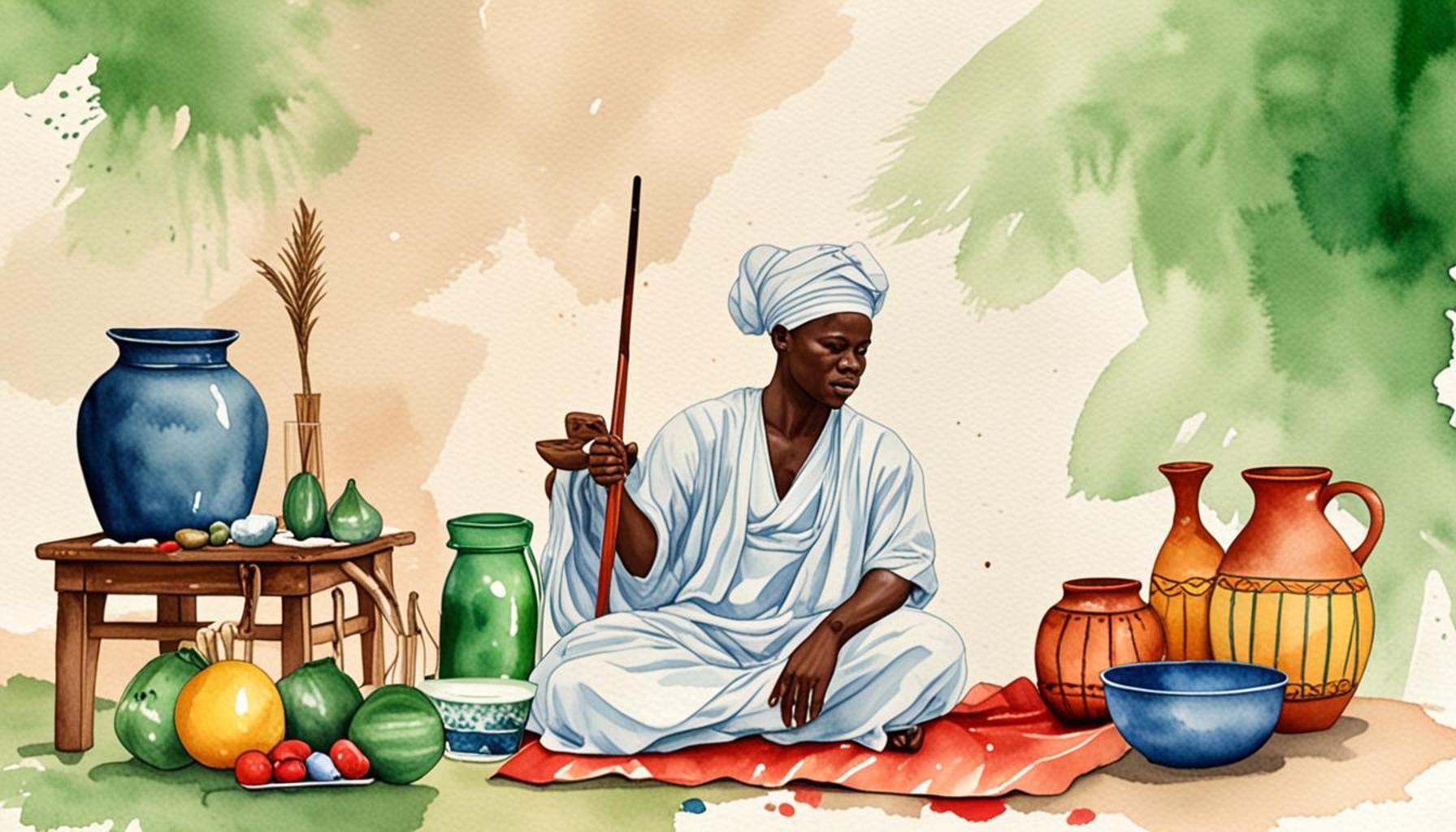
Embracing Simple Living through Nigerian Heritage
In a world characterized by rapid consumption and relentless pursuit of material wealth, the philosophy of minimalism emerges as a compelling antidote, particularly illustrated within the diverse Nigerian culture. With its roots deeply embedded in the customs and values of various ethnic groups, minimalism is more than an aesthetic choice; it represents a holistic approach to life centered on simplicity, sustainability, and mindful living.
Nigeria’s multifaceted culture offers an array of inspirations for those inclined towards minimalist living. Each ethnic group brings distinctive attributes that not only promote a minimalist lifestyle but also resonate deeply with the concepts of utility and tradition. Below are several examples of how different aspects of Nigerian culture encapsulate minimalism:
- Traditional art forms: A striking characteristic of many Nigerian art pieces is their emphasis on simplicity and function. For instance, the Yoruba wooden carvings, often used in ceremonial contexts, encapsulate storytelling with minimal decorative elements. Their practical use in rituals allows them to serve dual roles as both art and functional objects, embodying the minimalist principle of having “less is more.”
- Spiritual practices: Indigenous beliefs across Nigeria foster a strong connection to the natural world. This reverence for nature encourages individuals to prioritize essential needs and spiritual well-being over material excess. The traditional practices of the Igbo and other cultures reinforce values such as gratitude, harmony with nature, and the acknowledgment of life’s transient nature, prompting communities to embrace simplicity.
- Community values: Across various Nigerian communities, the importance placed on relationships often supersedes that of material possessions. For example, in the Edo culture, community celebrations and gatherings facilitate bonding and mutual support. This focus on social connections demonstrates a minimalist ethos, where the richness of experience is valued over accumulating wealth.
These cultural nuances illustrate how Nigerian traditions can inspire individuals to seek a more meaningful and simplified way of life. By exploring the intersections of these elements with minimalist tenets, one can discover practical applications in daily living that promote intentionality and satisfaction.
As we navigate through the rich heritage of Nigeria, we uncover how its indigenous practices and community-centric values not only nurture a sense of belonging but also advocate for a lifestyle that aligns with the growing global trend towards minimalism. This exploration may encourage individuals from all backgrounds to rethink their own relationship with material possessions, guiding them toward a more fulfilled existence through simplicity.
SEE ALSO: Click here to read another article
Reflections of Minimalism in Daily Life
When delving into the theme of minimalism in Nigerian culture, it becomes evident that simplicity is not merely a modern trend but a way of life cherished through ages. Many Nigerian customs highlight the significance of living intentionally, shunning excessive materialism in favor of simplicity and purpose. This perspective reveals a treasure trove of teachings that can inspire a simplified life.
A prime example of this can be found in traditional Nigerian cuisine, where meals are crafted around seasonal ingredients, emphasizing freshness and minimal processing. Instead of relying on artificial flavors or pre-packaged foods, local communities often cultivate their gardens to reap natural produce, further tethering them to their environment. This practice enhances not only the nutritional value of their meals but also evokes a sense of connection to the land, illuminating the importance of food sustainability. The concept of eating what is available, and respecting the seasons, fosters a way of living that encourages moderation and appreciation for what one has.
Moreover, the notion of minimalism within Nigerian homes serves as another testament to this cultural inheritance. A typical Nigerian household often prioritizes function over extravagance, with furniture integrated seamlessly into everyday life. Traditional designs, such as the use of locally sourced materials for furniture, reflect a harmonious balance between aesthetics and practicality, thus embodying the essence of minimalism—where each piece serves a purpose, be it utilitarian or decorative. Here are more aspects where minimalism shines through:
- Clothing and textiles: The rich textile heritage in Nigeria exhibits simplicity fused with beauty. Fabrics such as Ankara and Aso Oke often tell stories of cultural identity while focusing on essential designs. The significance of dressing in traditional wear during special occasions underscores a minimalist approach that values meaning over quantity.
- Rituals and celebrations: In various cultures, especially among the Hausa and Yoruba, rituals are characterized by their simplicity. Ceremonies often focus on family, spirituality, and well-being rather than ostentatious displays of wealth. This aspect encourages community involvement and shared experiences, reminding participants of life’s inherent values rather than material possessions.
- Architecture: Traditional Nigerian architecture, evident in the mud houses of the North to the thatched roofs of the South, reflects a design ethos that champions minimalism. Constructed with locally sourced materials, these dwellings highlight resourcefulness and the necessity of creating spaces that serve essential functions while merging comfortably with the environment.
Through these practices, we can see how the values of traditional Nigerian culture inform a minimalist way of living, which is both practical and profound. These elements not only symbolize a connection to heritage but also offer a pathway towards a less cluttered and more enriched existence. By embracing these principles, individuals can seek to distill their lives of excess, drawing inspiration from the ethos of Nigerian culture to cultivate a more intentional lifestyle.
| Cultural Influence | Practical Benefits |
|---|---|
| Traditional Artistry | Focus on handcrafted items promotes unique aesthetics. |
| Community Values | Strengthens bonds and encourages sharing among community members. |
Delving deeper into the concept of minimalism within Nigerian culture reveals rich connections between traditional artistry and a simplified lifestyle. The art forms, often created with a focus on sustainability and uniqueness, represent more than mere decoration; they encapsulate a deep-rooted heritage. This embrace of handcrafted items not only enhances personal living spaces but also supports local artisans, fostering a sense of pride and identity.Furthermore, exploring community values underscores another layer of minimalism in the Nigerian context. The emphasis on togetherness translates into a lifestyle that prioritizes meaningful relationships over material possessions. Engaging in communal activities and sharing resources cultivates an environment where individuals can thrive without the burden of excess. This insight encourages readers to reflect on how adopting these cultural principles can lead to a more enriched and fulfilling existence, inspiring a move towards minimalism in their own lives.
SEE ALSO: Click here to read another article
Community and Connection: The Heart of Minimalism
At the very core of minimalism in Nigerian culture lies the rich tapestry of community life, where relationships and togetherness are cherished above material possessions. In many Nigerian communities, the idea of minimalism transcends material wealth, emphasizing the importance of social bonds and communal support. This focus on human connection illustrates how a simplified life can lead to enriched experiences and shared joy.
For instance, in numerous rural areas of Nigeria, communal living is prevalent, where resources are shared among families. This practice extends to farming, cooking, and even raising children. The cultivation of communal gardens is not just an agricultural endeavor; it actively promotes a sense of unity and cooperation. Such efforts exemplify the minimalist ethos of utilizing available resources effectively and valuing relationships over individualistic pursuits. By collectively working towards common goals, community members enhance their quality of life while keeping consumption within sustainable limits.
Additionally, the art of storytelling within Nigerian culture plays a crucial role in fostering connection. Elders often share folktales that convey moral lessons rooted in simplicity and wisdom. These narratives encourage younger generations to appreciate the essence of life beyond material gain, steering them towards deeper values such as gratitude, humility, and empathy. By relaying these tales in communal gatherings, the bonds of family and community are fortified, and the collective memory of cultural values is sustained.
Generosity and Hospitality: Virtues of a Minimalist Lifestyle
Another significant aspect of Nigerian culture that resonates with the ideals of minimalism is the emphasis on hospitality and generosity. Many Nigerians believe in the concept of “Ubuntu” — a philosophy that emphasizes interconnectedness and community. This can be observed during festivals, weddings, and even everyday gatherings where the spirit of sharing prevails. Rather than extravagant displays of wealth, people often come together to celebrate shared achievements, with food and resources distributed among everyone present. This abundant sharing reinforces community ties while prompting individuals to consider the collective well-being above personal gain.
Moreover, hospitality is a cornerstone of Nigerian social life. Guests are often welcomed with open arms, and the act of giving freely is regarded as a sign of respect and honor. This embodiment of minimalism is seen in the simplicity of the meals prepared and the sincerity of the interaction, where the essence of human connection is prioritized over lavish offerings. Such practices encourage a mindset focused on gratitude for what one has, rather than a relentless pursuit of more.
The Pursuit of Knowledge: A Minimalist Mindset
Education and knowledge acquisition in Nigerian culture also reflect minimalistic values. Traditional forms of learning—often conducted through apprenticeships—prioritize skill development over solely theoretical knowledge. This hands-on approach fosters a deep understanding of craftsmanship while emphasizing the importance of mastering one’s trade over accumulating unnecessary accolades or degrees. By honing skills that empower individuals and promote self-sufficiency, these educational practices align seamlessly with the principles of minimalism, guiding individuals toward a simplified, purpose-driven life.
Thus, the infusion of community, generosity, and education highlights the profound lessons that can be gleaned from traditional Nigerian values, painting a vivid picture of how minimalism is intricately woven into the fabric of society. By recognizing and embracing these elements, individuals can embark on a journey towards a more fulfilling, condensed existence, inspired by the timeless wisdom embedded within Nigerian culture.
SEE ALSO: Click here to read another article
Embracing Minimalism Through Cultural Wisdom
In conclusion, minimalism in Nigerian culture serves as a powerful reminder that a fulfilling life can stem from the richness of human relationships rather than an abundance of material wealth. The deep-rooted traditions of community cooperation, generosity, and shared experiences provide an insightful framework for those seeking to embrace a simplified lifestyle. This cultural ethos encourages individuals to prioritize connections and shared resources, enriching their lives far beyond the physical possessions they might accumulate.
As we navigate the complexities of modern life, the teachings of Nigerian culture offer essential lessons in balance and intentionality. From the communal gardens that foster collaboration to the stories passed down through generations, these practices underscore the importance of focusing on what truly matters—community, empathy, and sharing. Additionally, the minimalist values reflected in hospitality and skill development promote a lifestyle that champions sustainability and self-sufficiency, crucial paradigms for addressing contemporary challenges.
Ultimately, the embrace of minimalism inspired by Nigerian traditions encourages individuals to assess their values and lifestyle choices. By adopting principles of gratitude, simplicity, and community engagement, one can find meaningful fulfillment and purpose. This path not only honors the rich cultural heritage of Nigeria but also invites all to reflect upon how we can live with intention in our ever-evolving world. As we simplify our lives, let us carry forward the collective wisdom of our past, paving the way for a more connected and enriching future.